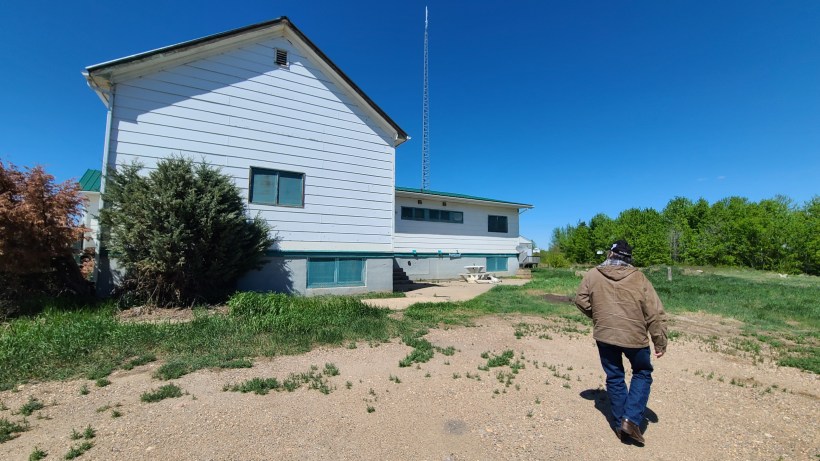
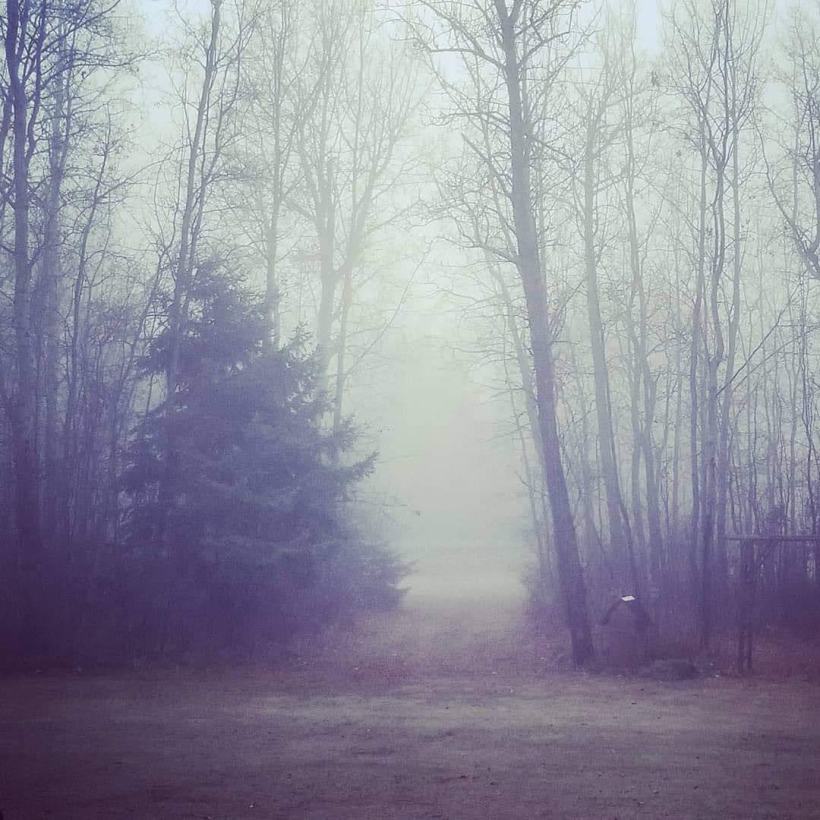
Leaving things behind

Cancer is a scary experience. It will always sit with me. It’s changed how I am and how I approach things. It’s changed my body. It’s changed my mindset. It’s hard to keep up with it all. It’s also difficult to not be afraid that it will return. How does one leave behind the fear and anxiety of the possibility of death and the return of cancer.

When you get a diagnosis of cancer, it’s like getting kicked. You don’t really expect it even if you see the foot swinging. You anticipate the treatments. You wonder how all of it is going to affect you. You wonder about side effects and the future feels distant. Some people scream “fuck cancer” others become silent and still. Both ways of dealing with it have benefits and drawbacks.

Then if you are lucky enough to be told “you’re in remission” you are left with the question of now what. You’ve been so invested in fighting for your life that you now have to move forward and change that perspective.

Over the years I’ve had many conversations with friends about letting things go and living in the present. We have all shared advice with each other. There has been much wisdom shared, this is just some of it.

1. No matter what you do life changes, it brings change. You can either embrace it or run from it. Running doesn’t stop the change. It still happens, it’s better to figure out how to deal with it then let it happen to you.

2. If it’s not yours it’s not going to change.

3. The past is past, you had that experience. It taught you something, take the teaching and move forward.

4. You might be powerless in what happened, but you have power over how you react. Choose wisely.

So now that I sit here again with a recurrence of my cancer, I am again asking myself what now. I move forward, and I hope for a different future grateful for knowing more of what to expect and grateful for those people in my life who walk with me.

History

I am a survivor – yes, a survivor of history, a survivor of residential school. Though I did not attend, I was never the less there. I survived it. I was there, I was there before I was born.

This is not ancient history, a story, it is real and it is my history.

I survived the hurt, the anger, the fear – the tears – the sorrow – the betrayal of trust. A child’s trust, the loss of that innocence.

I survived. I survived the wicked behaviour called “discipline”. I survived the shame, humiliation, self-hatred and the loss. “You are nothing, you dirty Indian”

I survived the losses.
The loss of language, culture, history and pride.
THE LOSS, THE LOSS, THE LOSS!!!
The loss of safety, security, and the loss of family, for generations.

How can this be? How did I survive, you ask???

I did, I survived….
I am a survivor of my fathers pain and my Mosom’s shame. I am a survivor of the betrayal, two generations of “education”.

Yes, I did not go to residential school but my family did. My family was sentenced there. The terms were carried out over several generations, sentencing that carried a legacy, holding us, stealing life from us, slowing us, paining us.

It taught my family not just reading and writing. It taught shame, self-hatred and created the need to forget.
It taught my Mosom Self-loathing, it raised him up in foreign ways. It told him “remember your place” “say your prayers, you’ll go to hell” and it created shame, shame, shame.
It taught my father to forget. The only direction to turn – ANYTHING to help you forget. But it was not gone. It never leaves, it was ALWAYS there. It is always there.

It is there in the fear and the tears and the sorrow. It is there in the behaviours, the promises and the inter-generational sorrow. The trauma that still holds.

Yet I have survived. I walked into that building, feeling the fear, struggling to make myself go inside. I cried. I cried for those children who never left, whether that was through experience or death. I cried so that I could be free. I survived.

I will not let the former shame claim another generation. “I will be okay, we are okay” “TAPWE” this generation grows strong because I survived. My father and my Mosom lived and I am here in spite of the fear. I am a survivor of residential schools.

Hope

Hope is powerful when you have it. So many experiences can diminish the hope that you have and it can be difficult to find it again. Being diagnosed with cancer can devastate your hope. It can be like having a candle and trying to keep it lit in a storm. You never know whats happening and you are never actually prepared for whats going to happen.

Recently I have had many people close to me diagnosed with cancer. It sometimes feels like it’s all around me and as if it’s so common. It feels like we all need hope in action. We can only do what we can to build hope in ourselves and in others.

There are so many thing to learn when you get diagnosed with cancer. It’s hard to figure it all out. There’s lots of information out there. It’s also difficult to know how accurate all that information is. Every time I hear about someone I know being diagnosed with cancer I feel my shock over again. Then I think about all the experiences they will be going through and I pray that they have a good outcome.

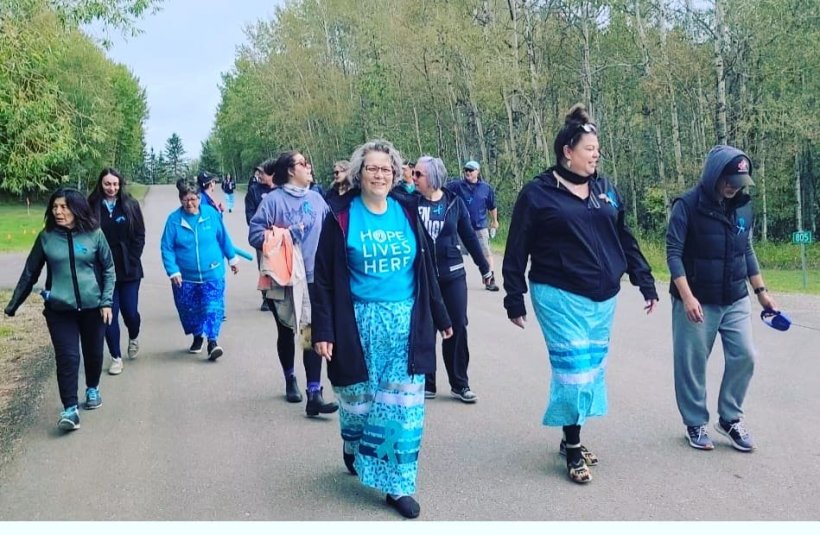
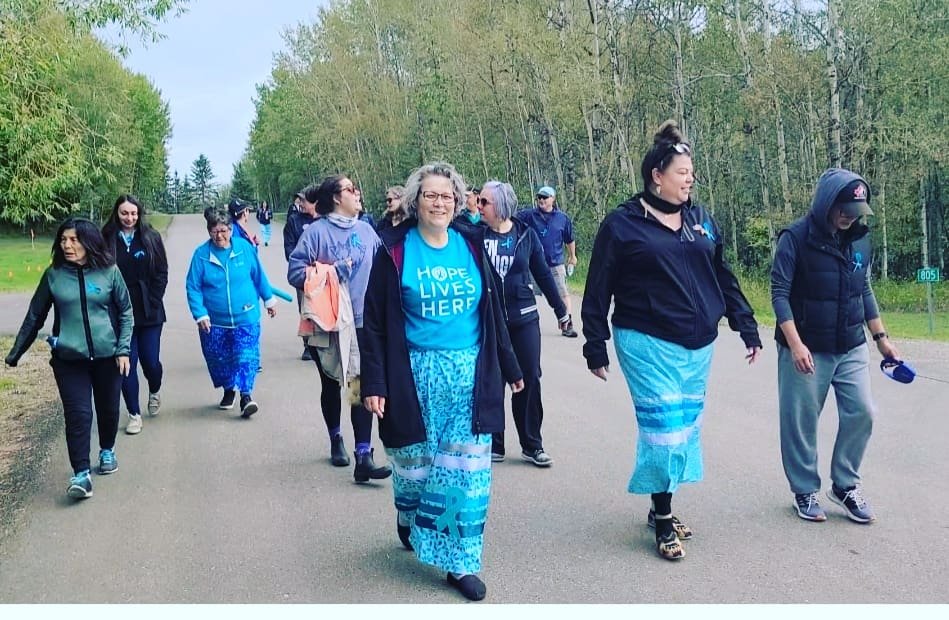
I walked in Ovarian Cancer Canada’s walk of hope. They say “Hope for change, hope for awareness and hope a cure.” This year will be my third year walking in it. I prefer to do a virtual, local walk instead of the large walk in Edmonton. I can walk with my friends and family. It makes me feel hopeful. The first year I walked I was still receiving chemotherapy. I could not walk very far. I set a goal for my second year, to walk at least 5 kms. I was able to do that. This year, I hope to walk at least the 5 kms again and perhaps further.

Walk of Hope 2021

I’m walking because I was diagnosed with stage 3B ovarian cancer on April 1, 2020. I was told I’m in remission on September 28th, 2020. It’s been an experience and a difficult journey. I thought that somehow being in remission would mean that I was better. That all the fears I struggled with would soon be gone. That’s not the reality. I have lingering affects from the chemo. I struggled to remove myself from the idea of having cancer.

I guess I’m kind of still living with cancer. I’m still receiving treatment because I have a BRAC1 gene mutation. This means that I’m at higher risk for recurrence or getting breast cancer. I’m currently taking a parp inhibitor, which to my understanding is a form of targeted therapy to prevent recurrence. Research shows its very effective.

Recently I started seeing information about living with and living beyond cancer. I guess living with cancer would be the diagnosis and the treatments. Living beyond cancer would be be after all your treatments are finished and seeing yourself as thriver not just a survivor. I plan to live beyond cancer.

A Journey

There is a great sadness within the people. This sadness is deep inside and though one may be happy there is still and unexplained sadness that over takes them. It is somehow diagnosed in the western world as depression but I think it is more than that. It is grief. This grief is profoundly deep. The wounds cut like a knife, it is a peoples grief.

This grief transcends time and experience. It is unknowingly passed down through the generations. We see it in the young people today. It is expressed through anger, gangs and violence. The young people have suffered a loss but are so unfamiliar with traditions that they do not know what they grieve for.

We do not provide tools to the young people because many of us do not know that we too are grieving. Grief in its classical description points to a profound and significant loss in ones life.

This loss is a loss of culture but is also more that cultural experiences. It is a profound loss of spirituality. It is the connection to spirit, to the Creator. This profound form of alienation has created a separation of the spiritual self from the physical self. It has caused the separation from the ability to grieve and recover. Elders tell you to pray. This is the first step in reconnection with self in the spiritual aspect.

It has been said by many different people of many different belief systems that prayer is a powerful thing. That connection to the Creator allows you to begin your journey home.

When you pray you begin to adopt a feeling/attitude of respect. This is because you know you are praying to someone who is greater than you. You acknowledge that you are unable to change things on your own and you know that you need the assistance of a being greater that you. The grandmothers and the grandfathers in that spiritual sense would be angels, beings that connect you to the Creator.

When you ask for help and guidance you begin to change how you react. Your respect in prayer translates to your life. You begin to show respect to others as well as yourself. This respect further translates to respect for the earth, who is likened to a mother because she provides for all her children, human and animal. Once this aspect of respect is received and learned the grieving process is started. Healing begins ad you are open to other lessons.

The sadness begins to lift. As you start your journey towards healing you begin to realize that the Creator has provided these experiences to you for a reason. You begin to realize that in every experience there is a lesson. It is simply finding it. Humility, thankfulness, love, compassion, all these experiences are then brought forward. The profound sadness that once touched your life, the sadness that you couldn’t explain, lifts. It sounds easier that it actually is because there are other processes involved too. There is forgiveness and letting go. This does not mean that you forget, it simply means that you treat others, who may have done wrong to you, with respect and love.

If you continue to hold anger and hate or unforgiveness in your heart it will continue to eat away at your spirit. Your spirit/soul will suffer. You will believe that only bad things happen and that there is no love for you. The Creator loves all the children, the Creator forgives mistakes and wrongs. If you approach this life you have been given with love then situations will become easier to deal with.

First is respect second is love, you cannot have love without also having respect. With love and forgiveness comes compassion. When someone deliberately tries to hurt you, you are able to recognize that their soul/spirit is in pain. Their pain is as profound as yours once was. Therefore you treat them with respect, love and compassion. They will see that you have a new perspective and are able to treat them in a way that is right and honest.

Your honesty may not be appreciated, depending on the depth of their pain. They maybe able to appreciate that you do not want anything, that you are not trying to manipulate the, that you are really and truly respecting them or they may not. Do not allow this to discourage you. Your living in truth. This truth is for your peace and balance and harmony not theirs. Your forgiveness is not conditional, it is for your own peace of mind. Bringing peace to yourself is a way to bring forgiveness to yourself as well as forgiveness to others.

The sadness may never be gone. In truth it may always be with you but it becomes a different kind of sadness. It is a sadness that you watch others still struggling with their pain. Pain is very powerful. It can rule a persons life for many years without them even realizing it. Out of pain violence is manifested, the pain of hurt, fear and anger. They feed the pain by allowing hate and anger to consume them. They numb their pain by self-medicating through addictions be it drugs or alcohol or lifestyles, they really don’t want to live.

To release the pain in their life you muse confront it with love and respect. These experiences have brought you to this place. It is up to you to choose where you will journey next. The Creator has given us freedom of choice. You can choose love or you can choose hate.

Freedom from the pain is through the acknowledgement of the loss. It is understanding your grief. Your loss is your experience, you can own it, listen to the truth of your loss. Speak to it, this sometimes means sharing your grief with others, sometimes it is through self-reflection ad meditation. It is your journey and only you can decide where to go.

Hope

Finding light in the dark

HOPE.

That little light far off in the distance.

HOPE.

The light in the night sky.

HOPE.

I need to move towards it. That’s my hope.

It’s very dark.

My hope is a beacon in this darkness. I move closer still. My hope is getting brighter.

The darkness still surrounds. Yet I still see that light.

It burns brighter and whispers “I am here”

Hope

I move closer, I’m trying to reach out, trying to grasp a hold of the light in the darkness.

I hope.

Hope tells me “you are not alone” – Hope says “I am here. “

Suddenly, I realize that the light isn’t far away. Suddenly, I realize that the light was always with me. I just didn’t know that the light was always shining within me.

HOPE

Hope shines and it radiates out. It is light. The darkness is diminished. Hope is bright and it radiates from me.

Hope is love. I grasp a hold of my hope.

HOPE

Reflections on Grief and the Journey to Ones True Self

There is sadness within the people. This is deep inside and even though one maybe happy there is still an unexplained sadness that over takes them. It is sometimes diagnosed in the western world as depression but I think it is more that that. It is grief. This grief is profoundly deep. The wounds cut like a knife; it is a people’s grief.

This grief transcends time and experience. It is unknowingly passed down through the generations. We see it in the young people today. It is expressed through anger, gangs, and violence. The young people have suffered a loss but they are so unfamiliar with traditions that they do not know for what they grieve. We do not provide the tools to the young people because many of us do not know that we too are grieving.

Grief in its classical description points to a profound and significant loss in ones life. This loss would be a loss of culture but is also more than cultural experiences. It is a profound loss of spirituality. It is the connection to the spirit, to the Creator. This profound form of alienation has created a separation of the spiritual self from the physical self. It has caused the separation from the ability to grieve and recover. Elders will tell you to pray. This is the first step in reconnecting with self in the spiritual aspect.

It has been said by many different people of many different belief systems, that prayer is a powerful thing. That connection to the Creator allows you to begin your journey home.

When you pray you begin to adopt a feeling/attitude of respect. This is because you are praying to someone who is greater than you. You acknowledge that you are unable to change things on your own and you know that you need the assistance of a being greater than you. The Grandfathers and the Grandmothers in that spiritual sense would be Angels; beings that connect you to the Creator. When you ask for help and guidance you begin to change how you react.  Your respect in prayer translates to your life. You begin to show respect to others as well as yourself. This respect further translates to respect for the earth who is liked to a mother because she provides for all her children, human and animal.  Once this aspect of respect is recovered and learned the grieving process is started. Healing begins, and you are open to other lessons. 

The sadness begins to lift. As you start your journey towards healing you begin to realize that the Creator has provided these experiences to you for a reason. You begin to realize that in every experience there is a lesson. It is simply finding it. Humility, thankfulness, love, compassion; all these experiences are brought forward. The profound sadness that once touched your life, the sadness that you couldn’t explain lifts. It sounds easier than it actually is because there are other processes involved too. There is forgiveness and letting go. This does not mean that you forget, it simply means that you treat others who may have done wrong to you with respect and love. If you continue to hold anger, hate (unforgiveness) in your heart it will continue to eat away at your spirit. Your spirit (soul) will suffer. You will believe that only bad things happen and that there is no love for you. The Creator loves all the children; the Creator forgives mistakes and wrongs. If you approach this life you have been given with love then situations will become easier to deal with.

First is respect, second is love. You cannot have love without also having respect. With love and forgiveness comes compassion. When someone deliberately tries to hurt you, you are able to recognise that his or her soul/spirit is in pain. Their pain is profound as yours once was. Therefore you treat them with respect, love and compassion. They will see that you have a new perspective and are able to treat them is a way that is right and honest. Your honesty may not be appreciated, depending on the depth of their pain. They may not be able to appreciate that you do not want anything, that you are not trying to manipulate them, that you are really and truly respecting them. Do not allow this to discourage you. You are living in truth. This truth is for your peace and balance and harmony not theirs. Your forgiveness is not conditional; it is for your own peace of mind.  Bringing peace to yourself is a way to bring forgiveness to yourself as well as forgiveness to others.

The sadness may never be gone. In truth it may always be with you but it becomes a different kind of sadness. It is a sadness that you watch others still struggling with their pain. Pain is very powerful. It can rule a person’s life for many years without them even realizing it. You feed your pain by allowing hate and anger to consume you. You numb your pain by self-medicating through addictions be it drug, alcohol or lifestyles that you really don’t want to live. To release the pain, you must confront it with love and respect. These experiences have brought you to this place. It is up to you to choose where you will journey next. The Creator has given us this freedom of choice. You can choose love or you can choose hate. Freedom from the pain is through the acknowledgement of your loss. It is understanding your grief. Listen to the truth of your loss, speak to it, this sometimes means sharing your grief with others, sometimes it is through self-reflection and meditation. It is your journey and only you can decide where to go. 

Madeline Belanger, March 2007 ©

Nista Mina

I wish I could speak my language. I know words but not conversations. I hear words I recognize but cannot understand. Some words come to me.

Pikiskwe – speak

Astum ota – come here

Awas – go away

Mitsoh – eat

I know words and sometimes I hear answers in my mind…

Tansi -namoyananto ekwa kiya

…but my mind says “I’m fine, how about you?”

Someone gives me something, my mind says ay-aye but I answer in English and say thank-you.

Kekeway oma? What is this?

I have lost my words. I have lost my conversations and now only in my mind I speak.

Cancer

I don’t like being sick or unwell. How long will I have to feel this way? The pain is great, I need tests. The fear arises.

Fear arises, questions begin. Is this more than I can handle? What’s going on within? I breathe and I pray, the pain subsides.

The pain again arises and with it the fear. What does this mean? When will I know? What’s wrong with me? Oh, that’s the anxiety.

Fear arises, the diagnosis comes….. cancer…. need I say more? Fear takes hold. What does this mean? Fear arises… death? More pain? Suffering? Fear arises

I breathe, I pray

I breathe, I pray

I feel calm, I feel peace.

I breathe, I pray, I breathe. I breathe, I feel peace. I feel more calm settle over me. I breathe, I feel that all will be okay. Assurance arises. I breath, I pray

Fear subsides, becomes diminished. Hope arises.

Hope arises

Hope arises

I continue to breathe and pray. Hope arises.

Returns

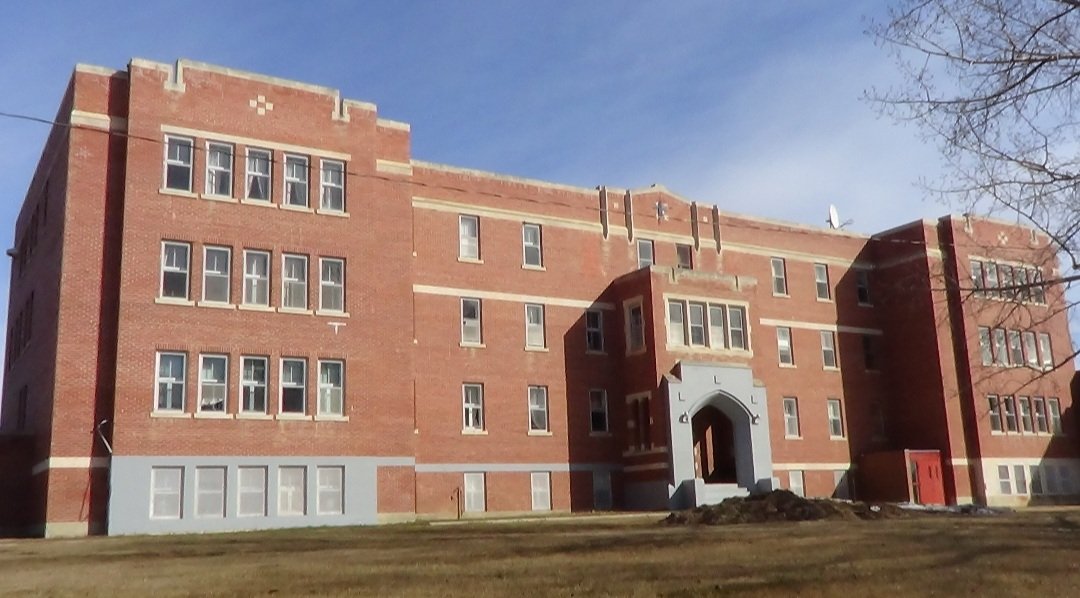
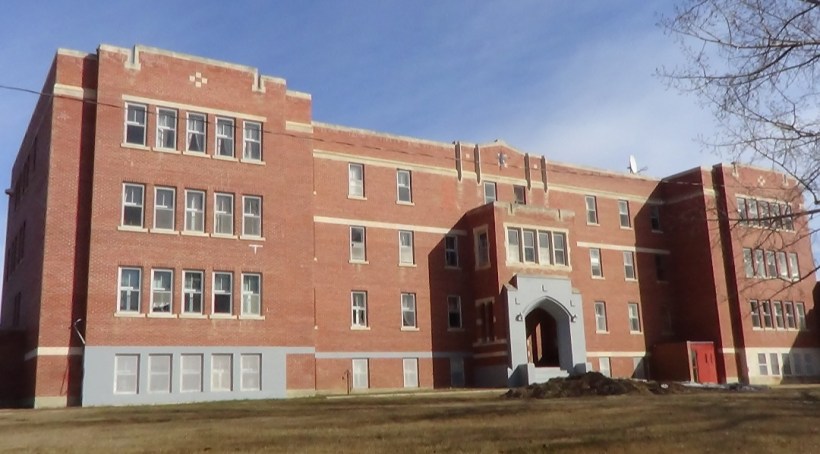
I walked into the school my father once attended never knowing he had been there before. I saw the Nehiyaw culture every where I looked but I felt something there that was unexpected. I felt dread and emotion that I did not understand and I thought it was because this was a residential school.

I thought that because I knew this had been hallways and dorms

where children were brought,

where they did not feel safe,

where bad things had happened,

that this was the reason for my fear.

I walked down the hall to where the library now stood, where once a chapel had been. I felt dread and disconnected from the reality of where I stood. I left and felt glad to be shedding the feeling of this place. Perhaps it was all in my head.

I returned home and told my father where I had been and where I had stood. He asked me why would I ever go there. I said I was there to learn about its history and its place now, as it tries to return culture to the people it stole from. I said “you should come there with me some time. There’s culture and language everywhere.” He looked at me and in a shaky voice half shouted “I will never go back to that fucking place.” I was shocked and shook to my core. I did not even think about my dad being in school there.

I remembered then the stories he told, brief though they were, of the nuns and how mean they were in school. I paused and I questioned, “I thought you didn’t go to school there.” He said quietly “It was only two weeks.” I did not say anything else but I thought his reaction was too strong for only two weeks. I didn’t ask again.

I went back there…to the school of two weeks…wondering how this place connected to me and my history. How was it connected to the pain my family experienced and as if the school could read my thoughts, I could not find a way into the building. None of the doors would open although there were clearly people inside. Someone came out and I caught the door and went in. The same feeling of dread surrounding me as I walked down the hall. I went to meet the person I had come to see, unfortunately, she had been called away for a family emergency. I left the building and immediately felt better.

Twice more I came to the building and was shut out. Twice more I left without answers. Then I went to a ceremony being held on the school grounds and I prayed that my dad would feel safe enough to tell me something; I shed tears for him.

A few days later my parents called. They said “can you please come here, we need you to look at some papers.” I went to their home and my dad handed me a brown envelope; he turned and walked away. I sat down at their kitchen table and asked my mum what it was. She said its about the time your dad spent at residential school. I said oh. I felt emotionally flat. I said I thought it was only 2 weeks. My mum said “no its longer and they only know he was there because other people identified him”. The school otherwise had no real records of him.” I felt anger burn in the pit of my stomach but I also felt sick. I asked “how old was he”….my mum said “just read the papers.” So I did.

It identified his timeline as at least two years and two months. I felt sick. I asked “What does this mean” I felt bewildered and confused. My dad came and sat down next to me. He asked “what should I do?” “They want me to go and make a statement.” I asked him “Do you want to?” He was unsure, unsure if he should open old wounds, unsure if he should talk about it, unsure if it was safe to do so. We smudged and prayed and I went home with even more questions.

I knew my uncles and aunties had gone to school there, they had said. My Auntie told me that they didn’t learn to read or write, that they had learned how to pray and to know that they weren’t good enough. She said my uncles learned how to work farm jobs. My Kokom had told me that they had been treated worse than dogs and that everything was rationed, they had to make do. Yet I couldn’t figure out why I didn’t think my dad had gone to school there. I guess because he never really said anything about it and because he had a substance use disorder, it wasn’t something that every crossed my mind. Now I had more unanswered questions. I also knew why my dad would walk away when anyone talked about going to school.

My dad called me a couple of days later and said “I’m going to do it but only if you and your brother will come with me and please ask your friend Wanda to come with us.” I said ok. nothing more, no questions just ok.

The day came for the independent hearing and I was nervous. We smudged and prayed. I gave my dad the things my children had given to me for Mosom; rocks for strength and a letter telling him that they knew he would be ok.

I listened to my dad’s story, the terrible things that had happened to him, the fear he felt, the pain he experienced and how it impacted his life. He he had suffered from depression, anger and suicidal thoughts for years. How he couldn’t be the father that he wanted to be but how he wanted to be a better Mosom. He showed them the gifts the kids had sent for him. WE were all crying. I understood my sense of dread and fear connected to that place.

I heard his story and understood my father on a different level. I saw him as a child, who had survived a horrible experience. How his dependence on alcohol for so long had kept him from thinking about those experiences and how his years of sobriety had helped him tell his truth.

I continued to go to that school to participate in the ceremonies every year that are held there. I always asked him if he would come. He always said no until about 5 years ago when he said maybe. Then he came with me. He was nervous and scared. As we drove closer he talked about the evil of the place and how much he didn’t want to be there. I asked him “do you want me to turn around?” He said no. We arrived.

He had returned. My nephew, the youngest grandchild at the time, was with us. He took his Mosom’s hand and we walked towards the building. My dad walked up to the building, took a breath and walked in. He had returned to his place of terror. He could only get through the door but that was more than I had expected. I felt proud of him. My mum looked at me as my dad said I need to leave the building and my nephew walked out with him. They walked around the grounds and we gave them time. Then we left. My dad seemed somehow lighter as we left.

The return was powerful, as was the ability to choose to leave. He had gained some freedom and I told him he didn’t ever have to go back there unless he chose to again. My parents, my nephew and I have gone back only once since then to attend a ceremony on the grounds but never to the building. I doubt if he will ever return to the building now that he has freely walked away from it.
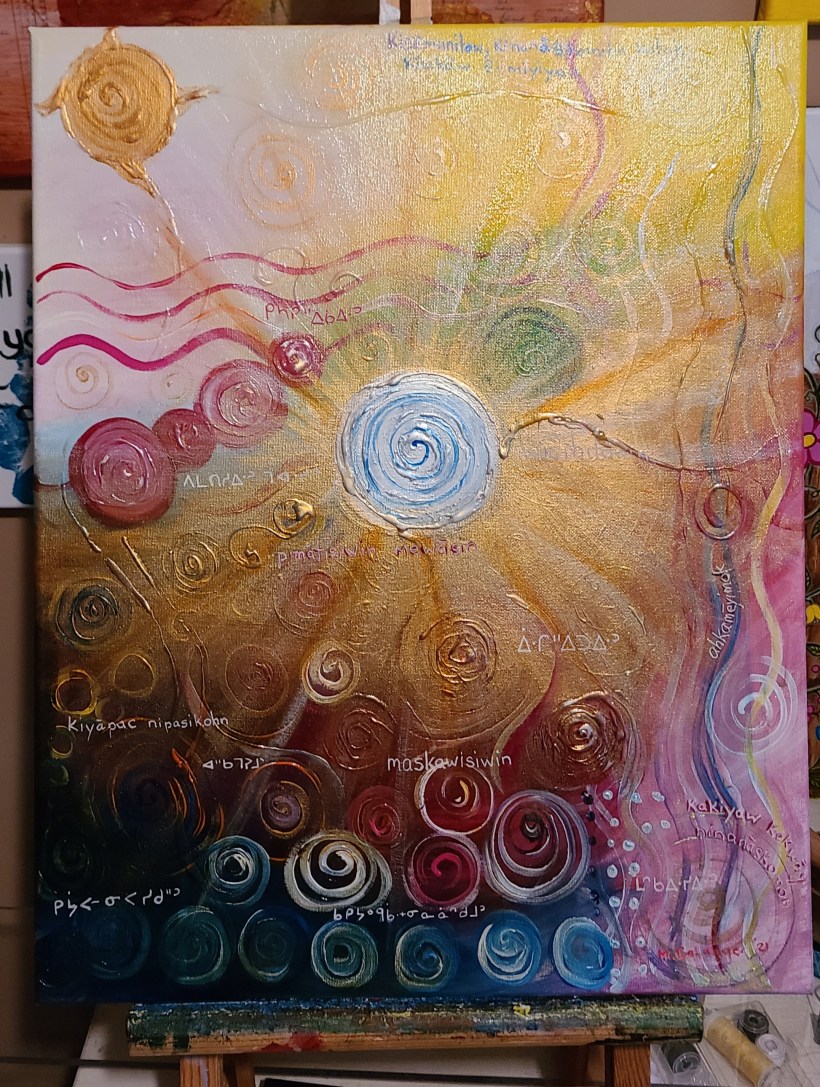
Silence

Silence,

It is deafening in its stillness and quiet

Kista?

Awina?

Neya.

I am silent.

I am mute.

What do I say?

These words are lost to me.
These words I should know.
Tapwe.

I should be able to speak but I am silenced.

The nuns and the priests they took away the language.

I heard it in my youth.

My father’s first language. He learned not to speak and to remain silent.

It is spoken to others, who also spoke…those not totally mute, not totally silenced but still they did not speak it to me. I am silenced.

Sometimes words want to come, not lots of words only some. Then fear takes hold and they go away.

I do not know enough language to get by.
I know a few words but still fear gets in the way so I remain mute.

Silenced.

The silence is deafening in its stillness and quiet.

Thanks to that school I am silent. I am mute.