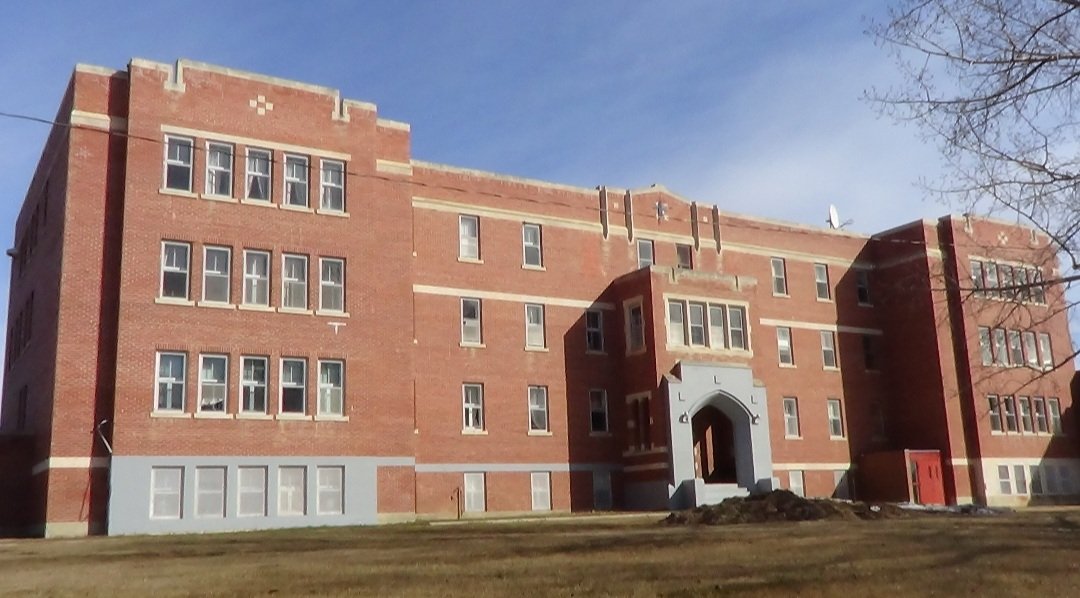
There’s a thread

There’s a thread that runs through through me that connects me to the past. It joins my ancestors to me and defines who I am. This thread of golden light hits me and twists through connection. Wrapping me in the love that they had when they prayed for the future.

There is a thread that joins me, strong as it is. This thread is through song and ceremony. It’s made of golden light and connects my ancestral past to me. The light heals, the light sends love, and the golden thread of light keeps me connected. It reminds me that my ancestors prayed for me.

History

I am a survivor – yes, a survivor of history, a survivor of residential school. Though I did not attend, I was never the less there. I survived it. I was there, I was there before I was born.

This is not ancient history, a story, it is real and it is my history.

I survived the hurt, the anger, the fear – the tears – the sorrow – the betrayal of trust. A child’s trust, the loss of that innocence.

I survived. I survived the wicked behaviour called “discipline”. I survived the shame, humiliation, self-hatred and the loss. “You are nothing, you dirty Indian”

I survived the losses.
The loss of language, culture, history and pride.
THE LOSS, THE LOSS, THE LOSS!!!
The loss of safety, security, and the loss of family, for generations.

How can this be? How did I survive, you ask???

I did, I survived….
I am a survivor of my fathers pain and my Mosom’s shame. I am a survivor of the betrayal, two generations of “education”.

Yes, I did not go to residential school but my family did. My family was sentenced there. The terms were carried out over several generations, sentencing that carried a legacy, holding us, stealing life from us, slowing us, paining us.

It taught my family not just reading and writing. It taught shame, self-hatred and created the need to forget.
It taught my Mosom Self-loathing, it raised him up in foreign ways. It told him “remember your place” “say your prayers, you’ll go to hell” and it created shame, shame, shame.
It taught my father to forget. The only direction to turn – ANYTHING to help you forget. But it was not gone. It never leaves, it was ALWAYS there. It is always there.

It is there in the fear and the tears and the sorrow. It is there in the behaviours, the promises and the inter-generational sorrow. The trauma that still holds.

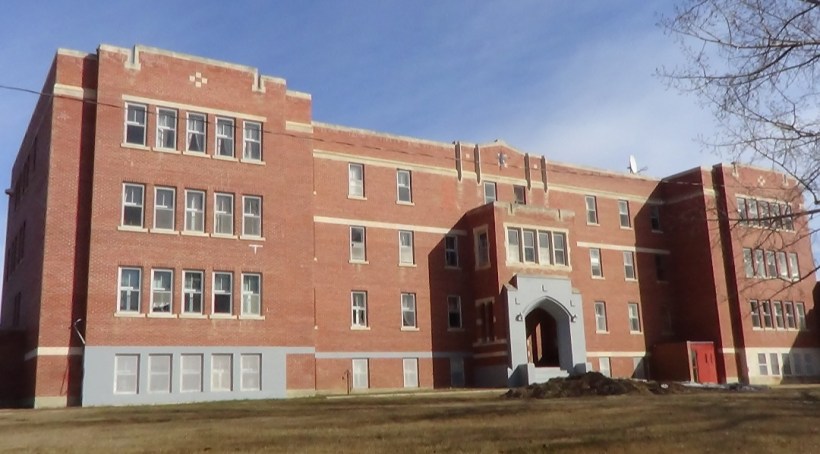
Yet I have survived. I walked into that building, feeling the fear, struggling to make myself go inside. I cried. I cried for those children who never left, whether that was through experience or death. I cried so that I could be free. I survived.

I will not let the former shame claim another generation. “I will be okay, we are okay” “TAPWE” this generation grows strong because I survived. My father and my Mosom lived and I am here in spite of the fear. I am a survivor of residential schools.
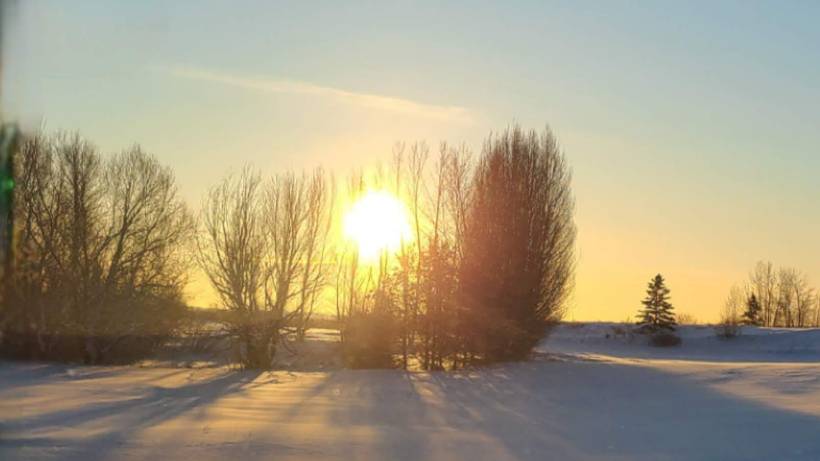
Kewaytinok

The going home snow, kewaytinok

Tell me about the going home snow, kewaytinok

The last snow before spring. One last moment to remind you to take a breath in the stillness of winter.

Tell me how the geese have returned and the birds sing. Kewaytinok

Tell me about life renewed.

Tell me about the going home snow and what it means.

Kewaytinok

The Warrior

In 1990 when I was 18 there was a stand off in Oka. I watched the news every night worried for the people who were fighting for their land. I watched as the government criminalized the Indigenous people. I watched as racism raised its ugly head and hate filled the hearts of many people. I ended up writing this poem about the warriors that were fighting.

Tall, brave, defiant stand the young warrior. Praised by his people for his valor, fighting for his cause.

Yet people once friends now label him an enemy. Insulting things that they do not understand. They call him names and laugh in scorn at the proud warrior

“What is this they fights for?” they ask. “A piece of land, what possible meaning could it have?” They suggest to give up; for they believe it is a lost cause.

Still he, the warrior, remains resistant, standing with gun in hand, ready, waiting for the tanks to lumber across the land, his ancestral home. The burial ground of his grandfathers. That is why he fights.

He fights for that final resting place, his historic homeland. He, the warrior is fighting for something that belonged to his forefathers. His land by right, snatched from the hands of his predecessors. Into a corner his ancestors were pushed; now his generation comes out fighting.

His people were forgotten, pushed away until now. For now his people have taken a stand, wanting to get back what is rightfully theirs.

I wrote this on August 28, 1990 during the Oka stand off. For those who were on the front lines and those that were there in spirit.

Truth and Reconciliation

Generational Healing

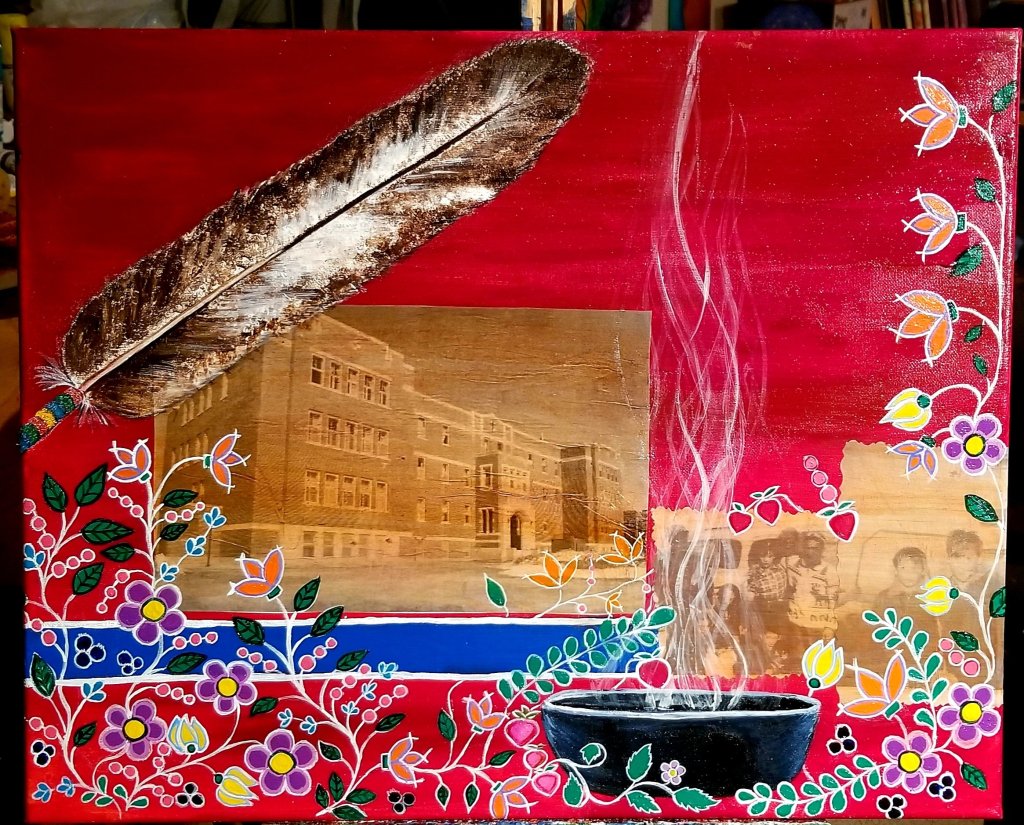
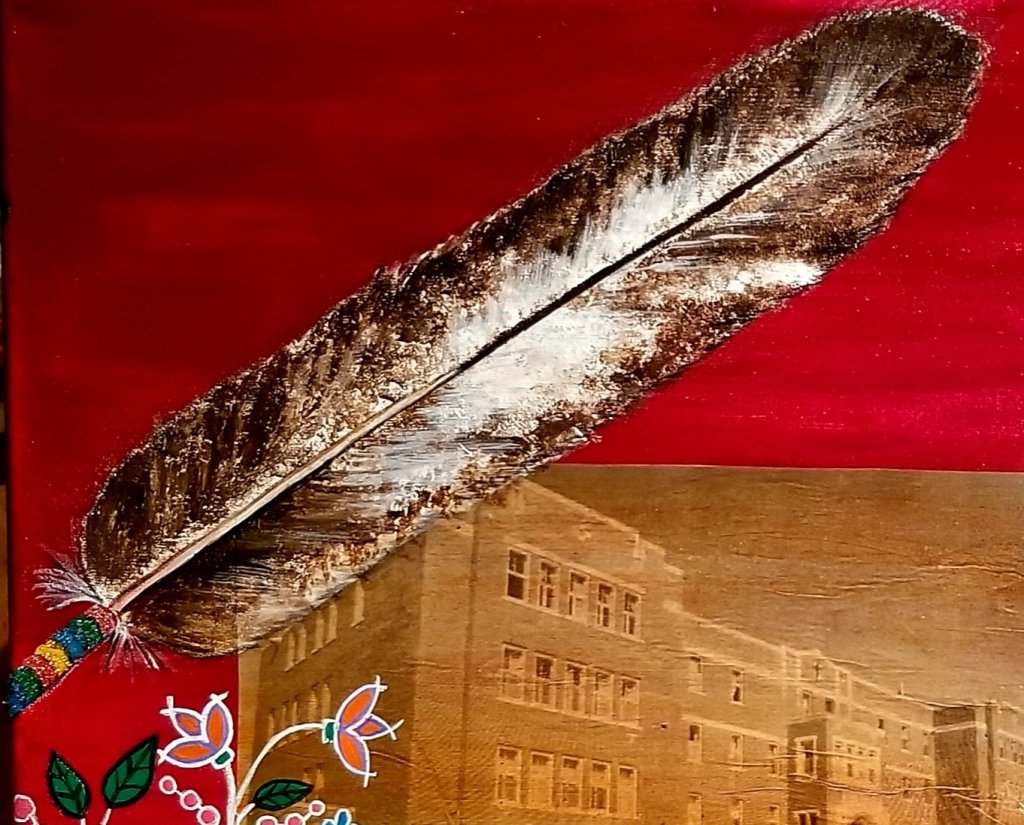
I paint as an expression of what I feel that I cannot always explain with words. Sometimes these paintings come to me very clearly as this one did. I had been thinking about how much my family has been impacted by residential schools, how colonization has affected us and how these things are passed on generationally.

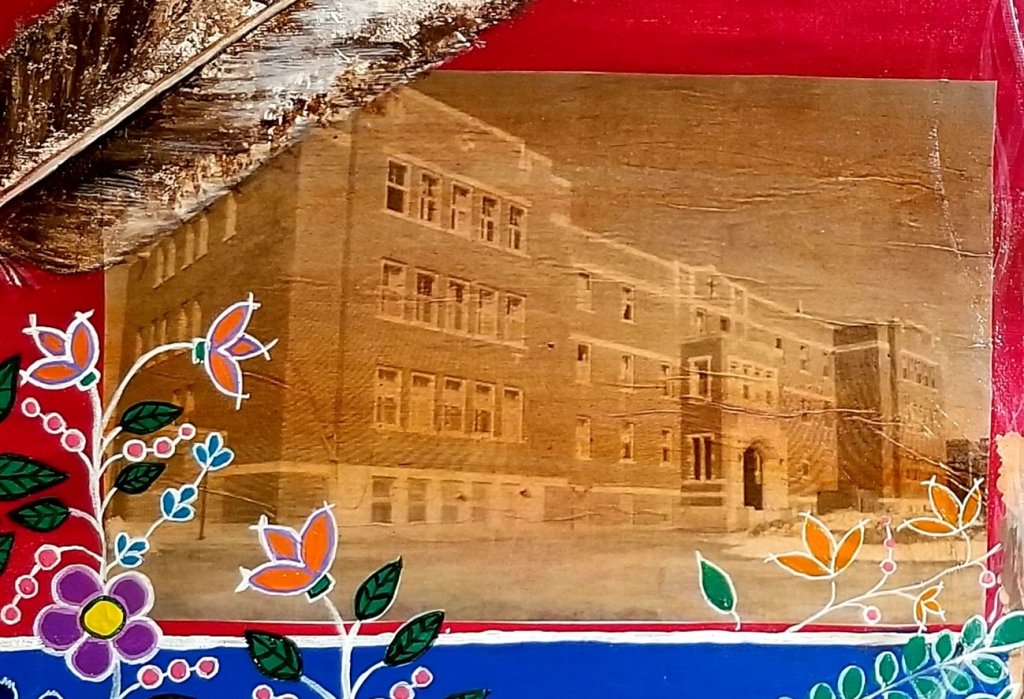
This painting represents how imposing blue quills has been on my family. There is a lot of intergenerational trauma because of it. We had multiple generations of family members attend this s hool.

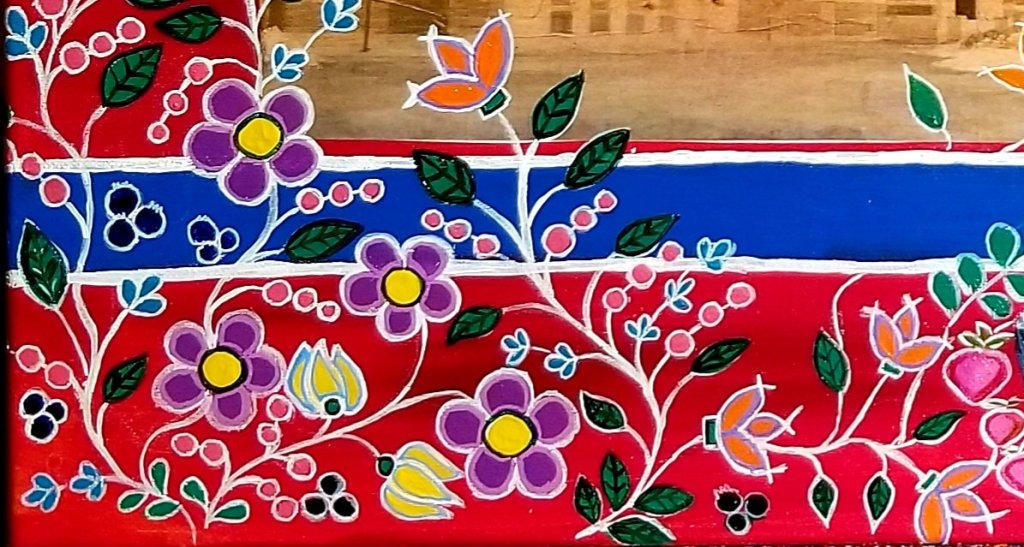
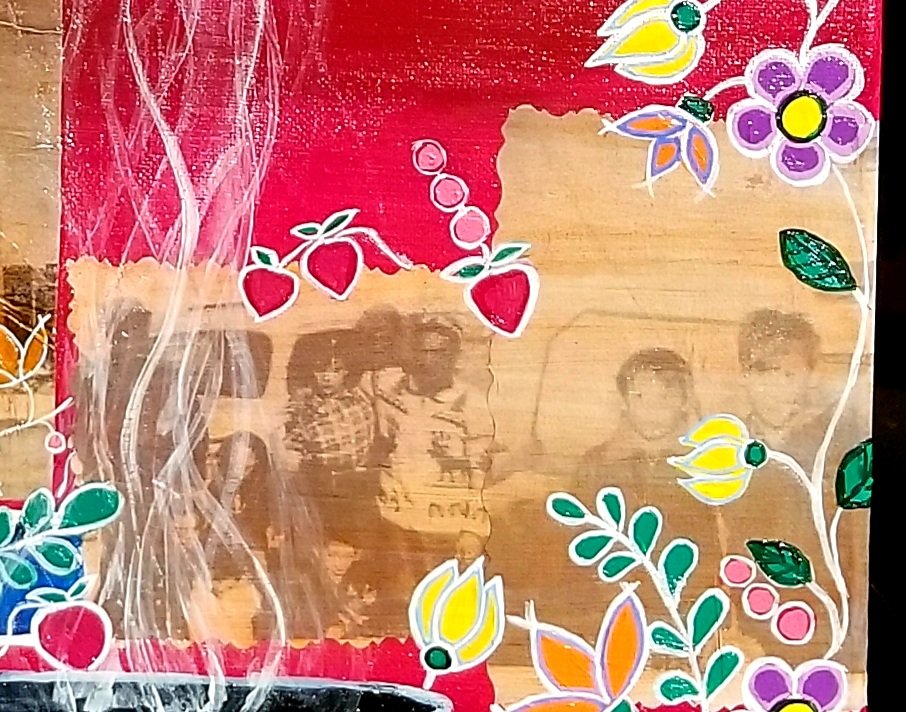
Flowers represent medicines to me. The flowers are growing over the photos and bringing healing and change. Medicine comes in many forms.

The photo of blue quills is large because it had a huge impact. It’s not covered because it will never go away.

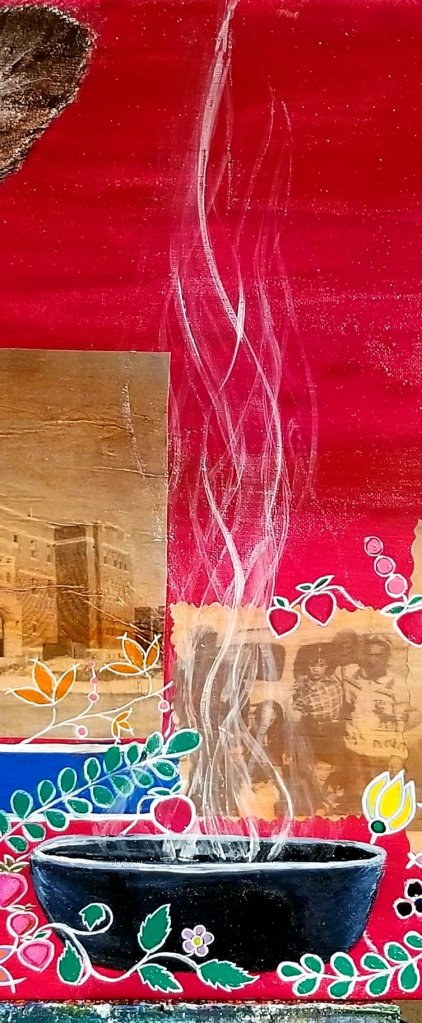
The smudge and eagle feather are clearing away the pain through reconnection to culture. Culture is medicine.

Each one of the flowers represents someone in my family. The purple ones are my dad and his siblings. The yellow ones represent myself and my siblings that’s why there are 5 of them. The orange ones are my parents grandchildren. The pink dots represent all of my cousins. The berries represent change and new growth. The sage also represents growth through healing. There are two photos of my family members as youth when they would’ve been in Blue Quills Indian Residential school

The background colours are there because of how this painting came me. Red is understood to be connected to healing, it is also understood to be the only colour that spirits can see.

Overall the painting is like a prayer for healing, separating my family from the school and the impact it’s trauma created.

Nista Mina

I wish I could speak my language. I know words but not conversations. I hear words I recognize but cannot understand. Some words come to me.

Pikiskwe – speak

Astum ota – come here

Awas – go away

Mitsoh – eat

I know words and sometimes I hear answers in my mind…

Tansi -namoyananto ekwa kiya

…but my mind says “I’m fine, how about you?”

Someone gives me something, my mind says ay-aye but I answer in English and say thank-you.

Kekeway oma? What is this?

I have lost my words. I have lost my conversations and now only in my mind I speak.

Silence

Silence,

It is deafening in its stillness and quiet

Kista?

Awina?

Neya.

I am silent.

I am mute.

What do I say?

These words are lost to me.
These words I should know.
Tapwe.

I should be able to speak but I am silenced.

The nuns and the priests they took away the language.

I heard it in my youth.

My father’s first language. He learned not to speak and to remain silent.

It is spoken to others, who also spoke…those not totally mute, not totally silenced but still they did not speak it to me. I am silenced.

Sometimes words want to come, not lots of words only some. Then fear takes hold and they go away.

I do not know enough language to get by.
I know a few words but still fear gets in the way so I remain mute.

Silenced.

The silence is deafening in its stillness and quiet.

Thanks to that school I am silent. I am mute.