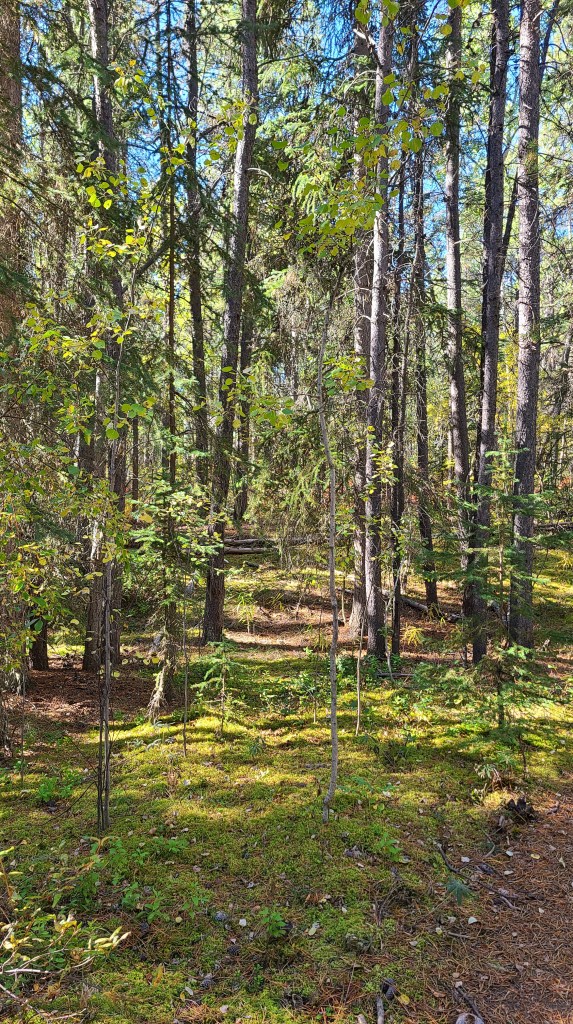
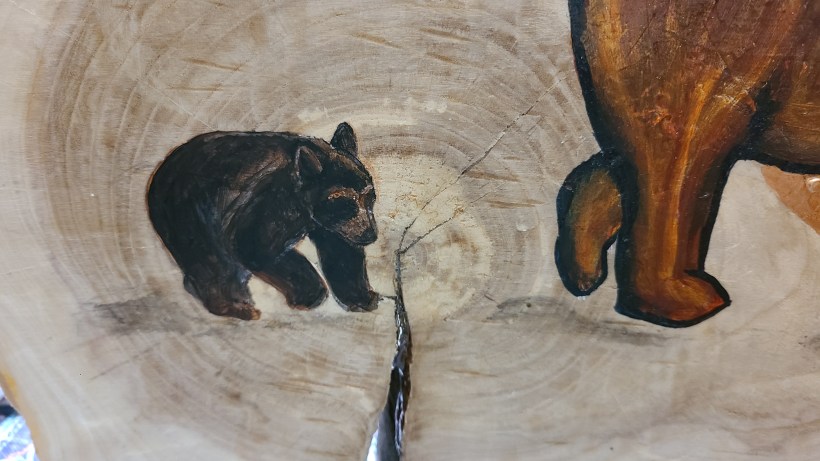
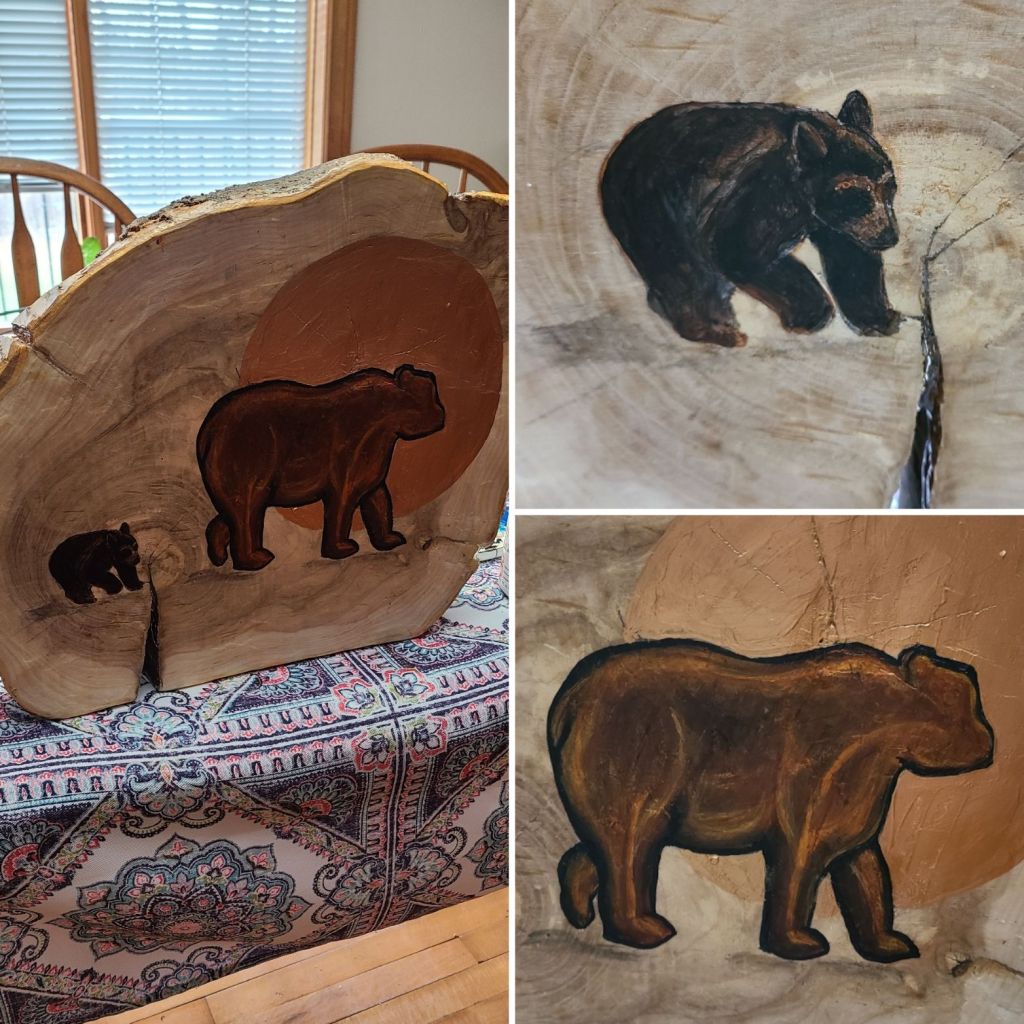
Bear spirit

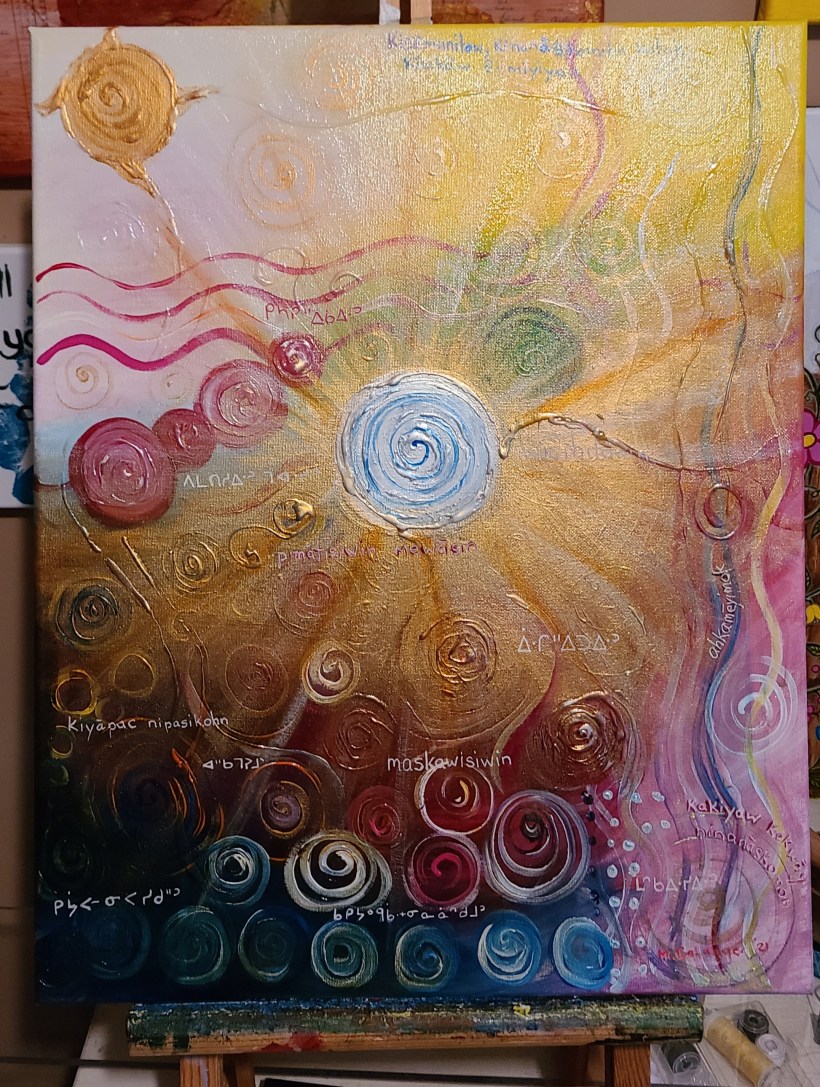
The spirit of the bear walks with me. As I journey through this life,  bears medicine walks with me. It gives me strength when I need it and reminds me that sometimes you need to rest so that once again you can grow and keep moving forward. Kinanâskomitin, I am grateful

Family history

I’ve been told about my family’s history and told I should remember it, so I do. This is how we start.

In the beginning… we were here, we were here from time immemorial, from before colonization, before Canada and before the treaties. We come from people who were autonomous and independent. We had our own creation story, our own history, our own math and science. We hand our own medicines and medical practices. We educated ourselves. We took care of ourselves. We knew our history, our laws, and practiced our culture freely.  As time continued we experienced changes and made contact with new cultures and new ideas. We considered ourselves equal to these people. They did not consider us their equal and sought to exploit us.

We found the changes that were occurring were faster than we expected, and we were asked to enter into agreements to share the land.  So we entered into ceremony, prayed, and asked for guidance towards this end. In 1876, we were guided and therefore agreed to enter into a sacred treaty. This was done to benefit the people. We thought that because we we had entered into an agreement through Sacred Ceremony, that they would honour the sacredness and truth of the treaty. We thought they would follow through on their word to help us.

We did not agree to give up our independence, nor did we agree to give up who we were, our laws, our traditions, and our ways of being. We did not think they would continue to steal from us, not only taking all the land we agreed to share but also eventually our children. We did not think we would lose our autonomy, nor did we think we would be forced to give up our culture, language, and traditions to fit into another nations society. Their society.

So our family history is always told with the prefaced context of what happens next. This is the story of our family and its journey to now. It’s about how history has impacted us as best as I can tell. It’s about our relatives and who we come from. It’s the story of us.

Leaving things behind

Cancer is a scary experience. It will always sit with me. It’s changed how I am and how I approach things. It’s changed my body. It’s changed my mindset. It’s hard to keep up with it all. It’s also difficult to not be afraid that it will return. How does one leave behind the fear and anxiety of the possibility of death and the return of cancer.

When you get a diagnosis of cancer, it’s like getting kicked. You don’t really expect it even if you see the foot swinging. You anticipate the treatments. You wonder how all of it is going to affect you. You wonder about side effects and the future feels distant. Some people scream “fuck cancer” others become silent and still. Both ways of dealing with it have benefits and drawbacks.

Then if you are lucky enough to be told “you’re in remission” you are left with the question of now what. You’ve been so invested in fighting for your life that you now have to move forward and change that perspective.

Over the years I’ve had many conversations with friends about letting things go and living in the present. We have all shared advice with each other. There has been much wisdom shared, this is just some of it.

1. No matter what you do life changes, it brings change. You can either embrace it or run from it. Running doesn’t stop the change. It still happens, it’s better to figure out how to deal with it then let it happen to you.

2. If it’s not yours it’s not going to change.

3. The past is past, you had that experience. It taught you something, take the teaching and move forward.

4. You might be powerless in what happened, but you have power over how you react. Choose wisely.

So now that I sit here again with a recurrence of my cancer, I am again asking myself what now. I move forward, and I hope for a different future grateful for knowing more of what to expect and grateful for those people in my life who walk with me.

“Tell me a story – Acimowin”

"Tell me a story"

History

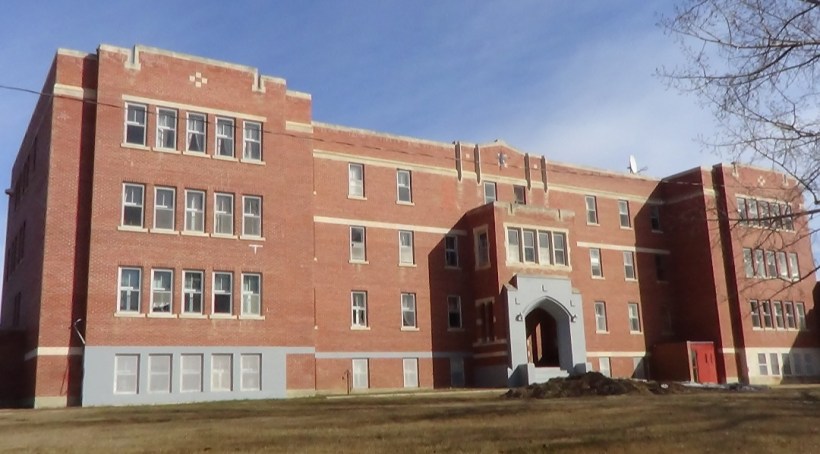
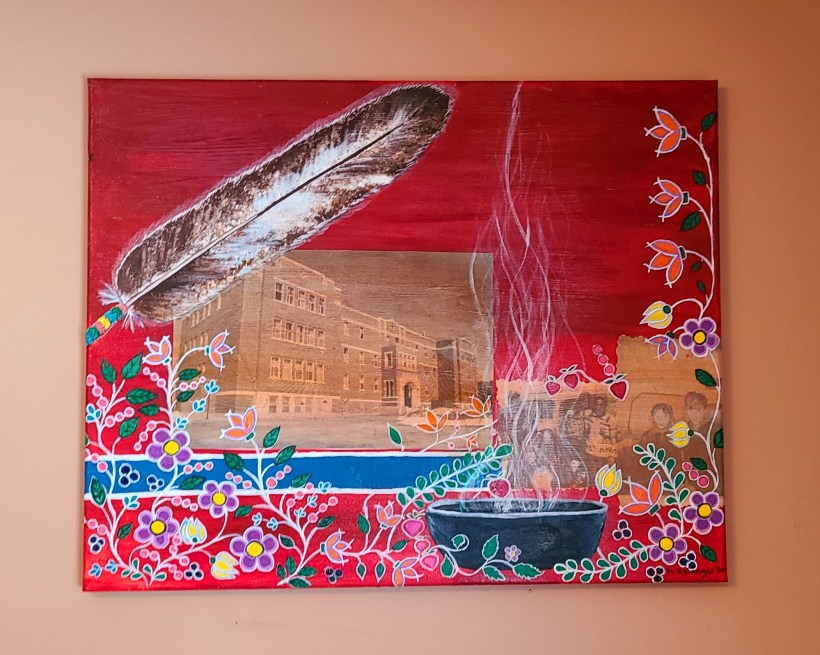
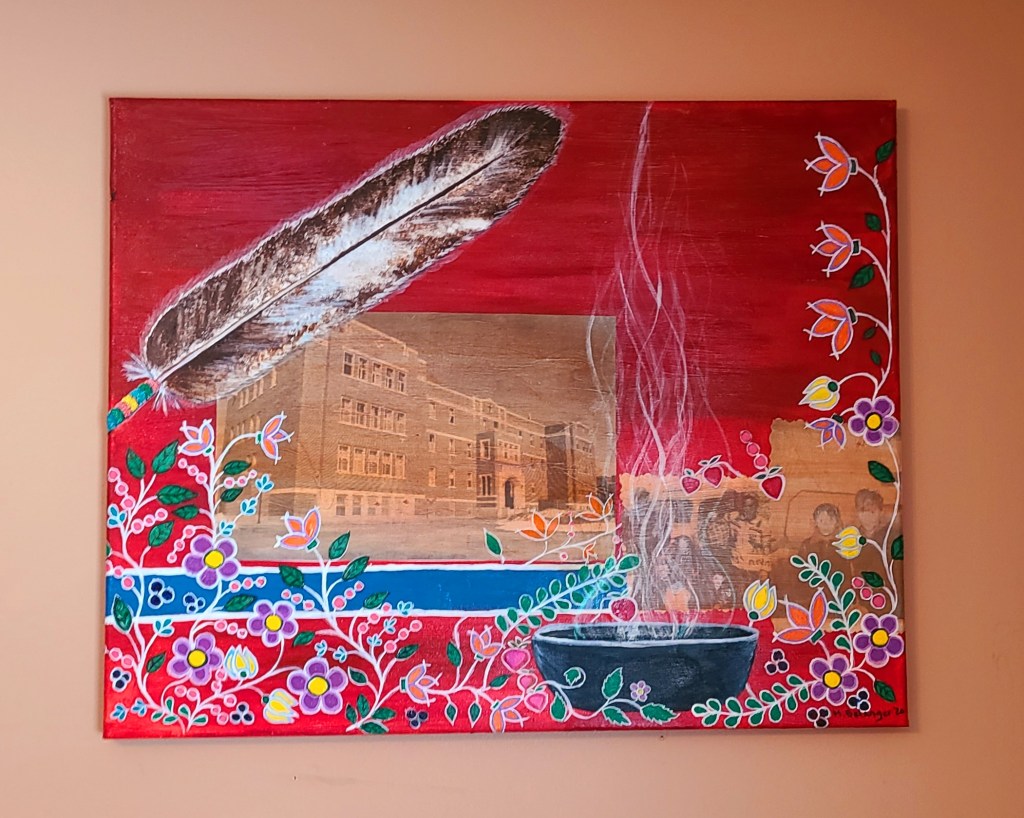
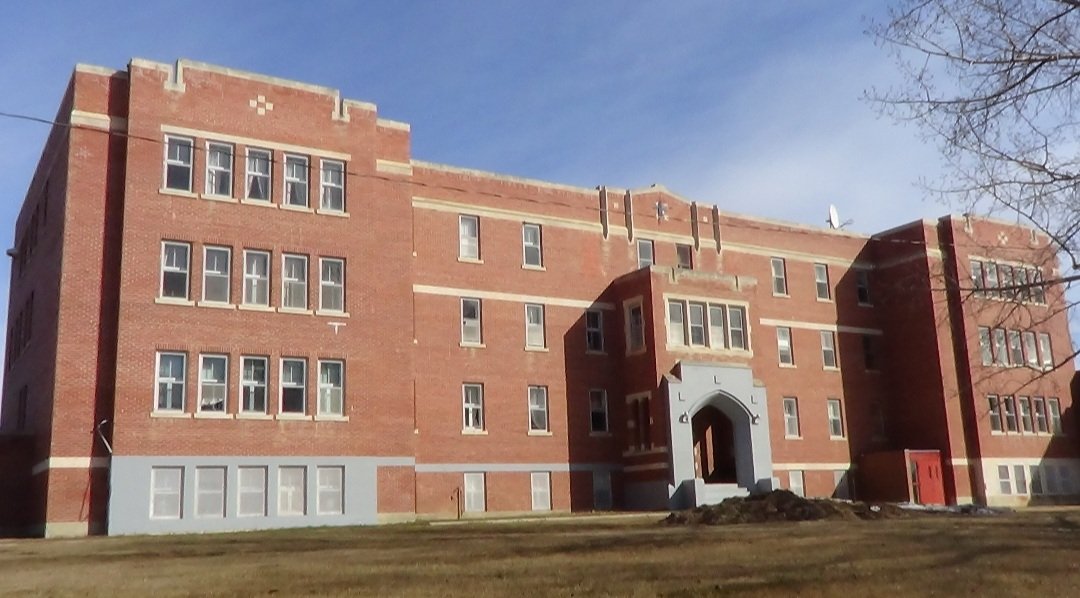
I am a survivor – yes, a survivor of history, a survivor of residential school. Though I did not attend, I was never the less there. I survived it. I was there, I was there before I was born.

This is not ancient history, a story, it is real and it is my history.

I survived the hurt, the anger, the fear – the tears – the sorrow – the betrayal of trust. A child’s trust, the loss of that innocence.

I survived. I survived the wicked behaviour called “discipline”. I survived the shame, humiliation, self-hatred and the loss. “You are nothing, you dirty Indian”

I survived the losses.
The loss of language, culture, history and pride.
THE LOSS, THE LOSS, THE LOSS!!!
The loss of safety, security, and the loss of family, for generations.

How can this be? How did I survive, you ask???

I did, I survived….
I am a survivor of my fathers pain and my Mosom’s shame. I am a survivor of the betrayal, two generations of “education”.

Yes, I did not go to residential school but my family did. My family was sentenced there. The terms were carried out over several generations, sentencing that carried a legacy, holding us, stealing life from us, slowing us, paining us.

It taught my family not just reading and writing. It taught shame, self-hatred and created the need to forget.
It taught my Mosom Self-loathing, it raised him up in foreign ways. It told him “remember your place” “say your prayers, you’ll go to hell” and it created shame, shame, shame.
It taught my father to forget. The only direction to turn – ANYTHING to help you forget. But it was not gone. It never leaves, it was ALWAYS there. It is always there.

It is there in the fear and the tears and the sorrow. It is there in the behaviours, the promises and the inter-generational sorrow. The trauma that still holds.

Yet I have survived. I walked into that building, feeling the fear, struggling to make myself go inside. I cried. I cried for those children who never left, whether that was through experience or death. I cried so that I could be free. I survived.

I will not let the former shame claim another generation. “I will be okay, we are okay” “TAPWE” this generation grows strong because I survived. My father and my Mosom lived and I am here in spite of the fear. I am a survivor of residential schools.
Tell me a story

“Tell me a story “

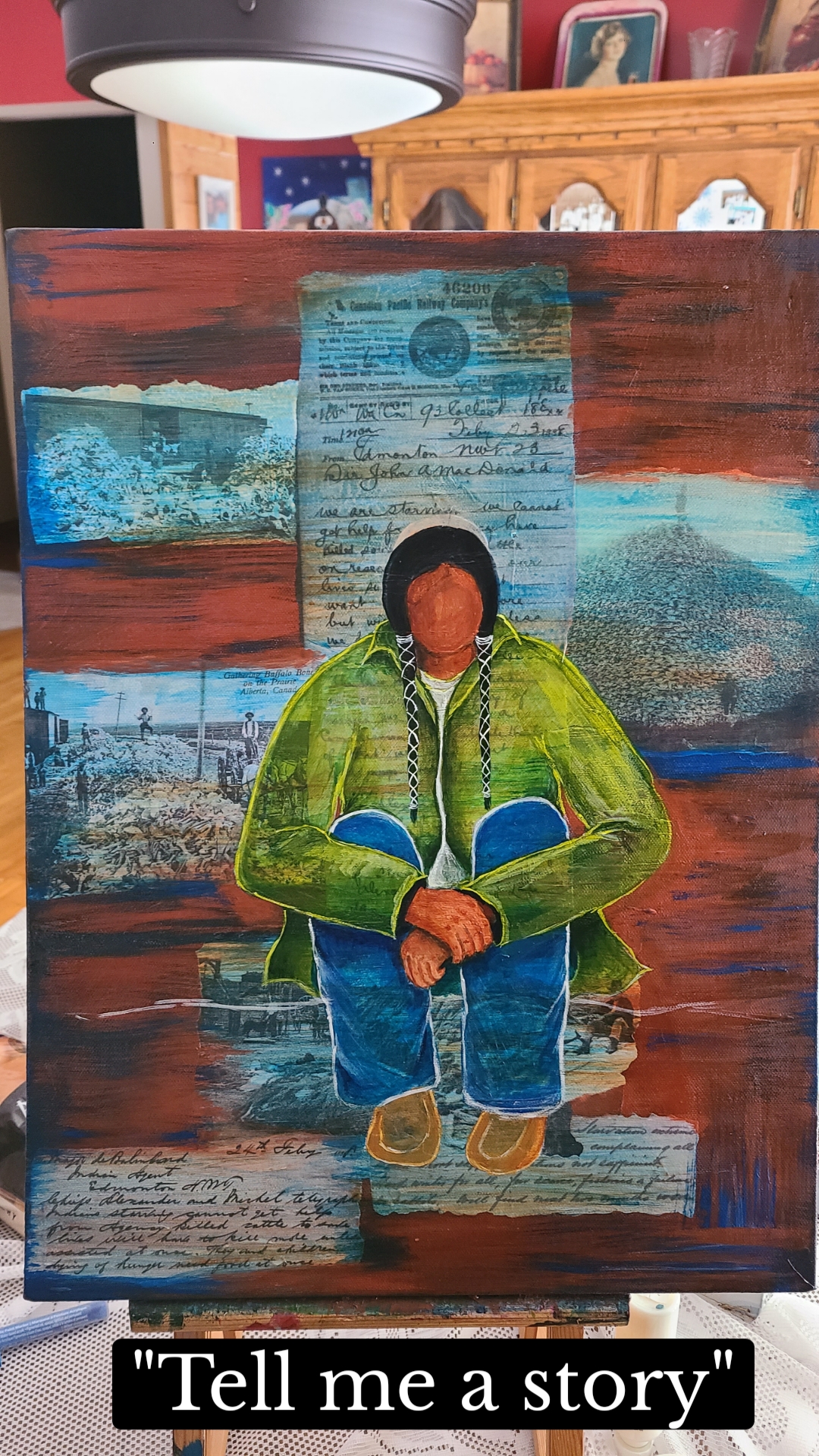
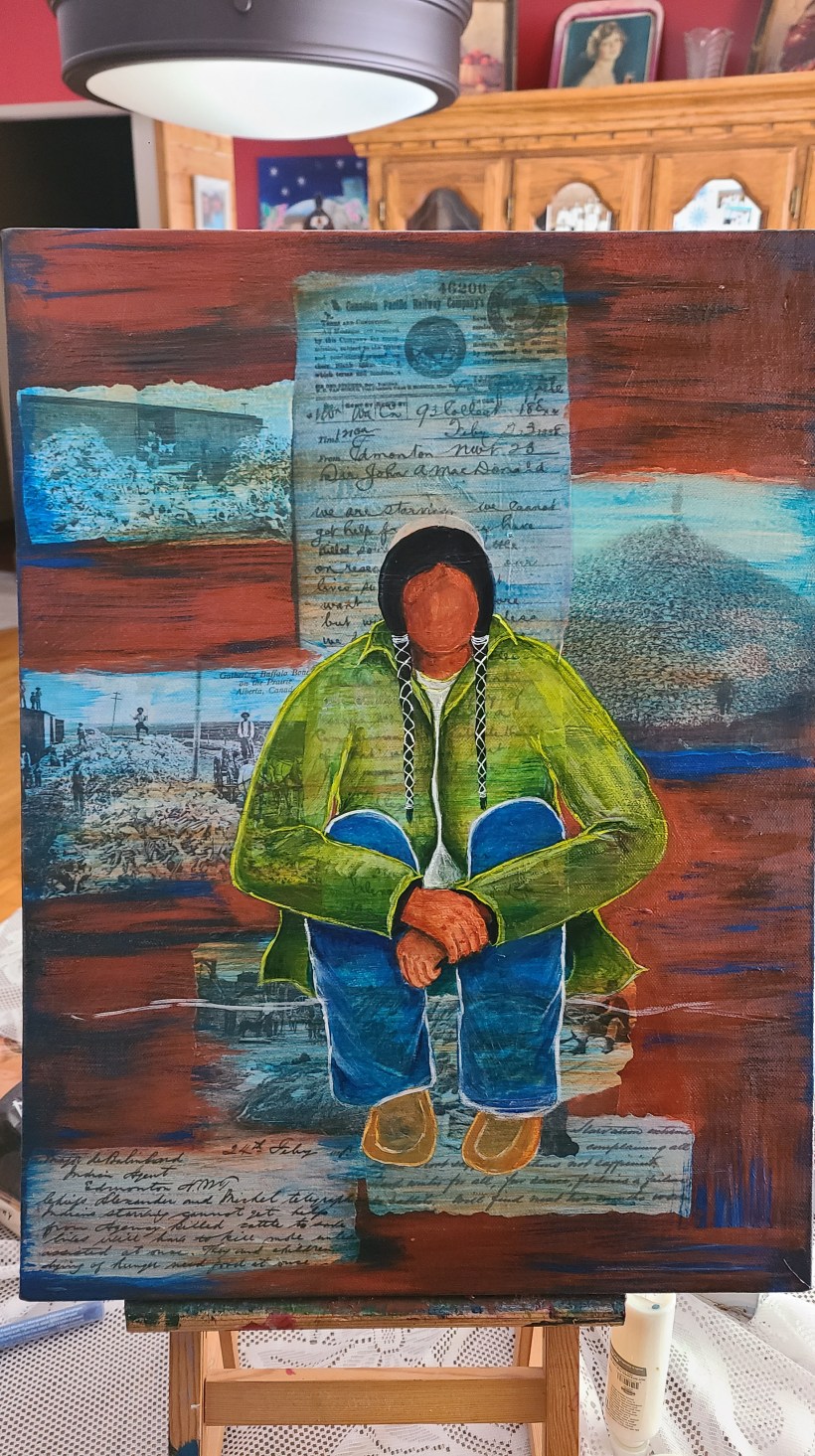
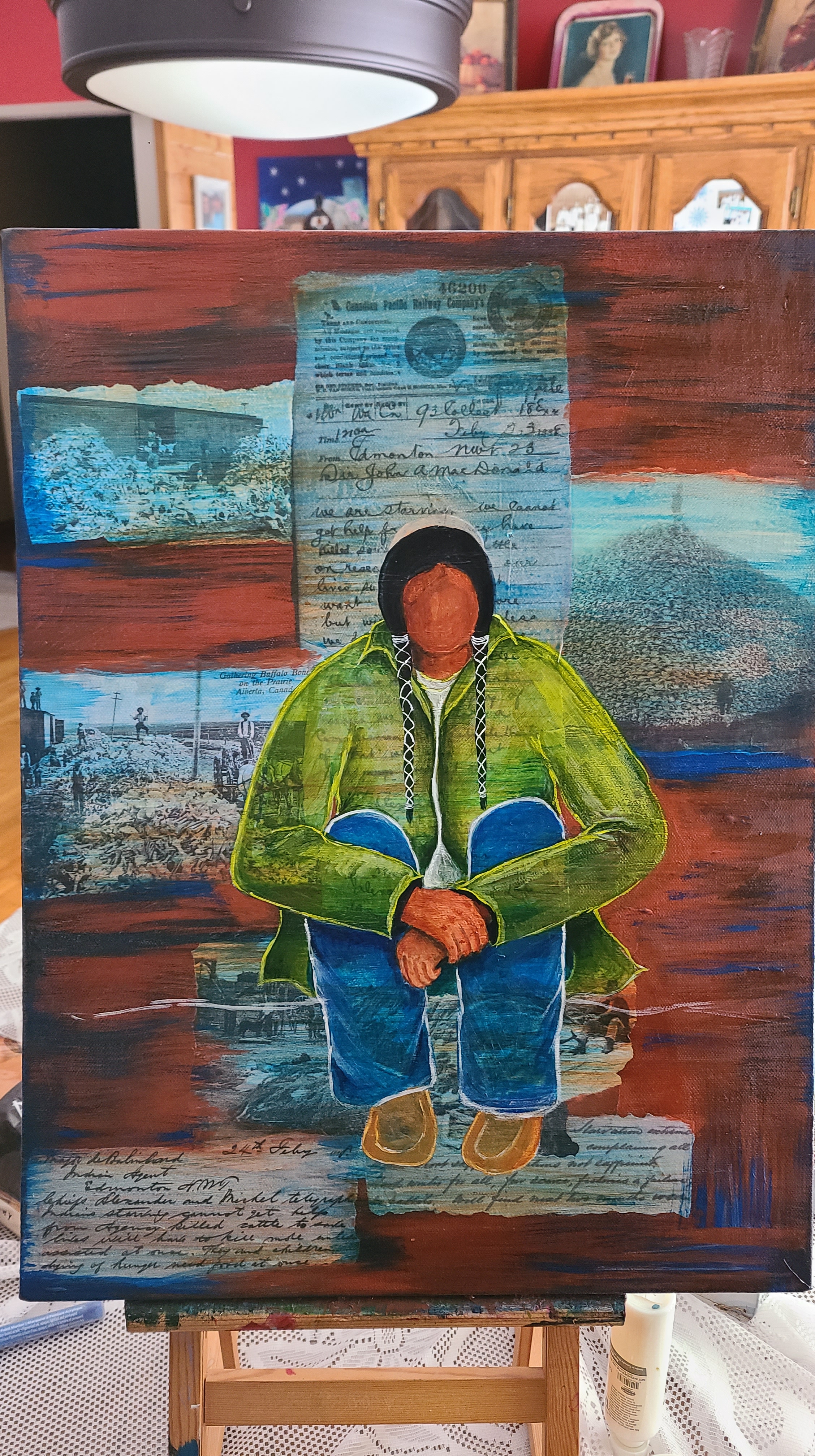
This mixed media piece includes a telegram sent in 1888 from the Chief’s Alexander, Alexis and Michael telling John A MacDonald that their community members are starving and that they had to break the law and kill the cattle in order to save the lives of they and their children and includes parts of the responses from the government. This piece includes images of piles of bison bones and hides from when the bison were slaughtered to show the impact of the loss of an important resource to all plains peoples. The pictures also show the use of the railway to transport the bones to factories to make fertilizer.
The man painted over top has his head down in reflection as he contemplates the telling of our history.
The words of the telegram show through to demonstrate how the history of colonization continues to impact us. The past will always sit with us, and it is important that we remember and tell our own history. The inclusion of archival documents shows a record supporting oral traditions about the impact of signing treaties, the neglect of treaty obligations especially after the 1885 resistance, the loss of access to the land and the loss traditional food resources. It demonstrates the loss of autonomy through the need to ask permission to slaughter their cattle and that without asking permission, they had broken the law and were at risk of being arrested. It is called “Tell me a story” because we continue to speak about our past and the impacts it has had on our communities.

Transcriptions of archive RG10, Volume 3794, File 46,205

Telegram:
Feb 23, 1888
From Edmonton, NWT
Sir John A. MacDonald. We are starving. We cannot get help from the agency, have killed cattle on reserve to save our lives so far. We don’t want to kill anymore but will have to unless we get help at once. We don’t want to break the law but we and our children are dying of hunger. We ask for a commission to investigate the truth of what we are saying but need food at once.
Alexander, Chief of River Qui Barre
Michael Callioux, Chief of Sturgeon river reserve
Alexis, Chief of Lake St. Ann Reserve

At that time, it was illegal for Indigenous people to slaughter their cattle without permission. Even though the cattle had been given to the people as their own to encourage farming, the Indian agent and the government did not consider the cattle the property of the people it was given to. The file this is from includes other documents that explain why the Indian agent decided not to have them arrest for fear it would cause another uprising.

This piece also includes the responses from the governments Indian department to this situation.

Response 1
Feb 24, 1888
To Major de Balinhard Indian Agent
Edmonton, NWT
Chiefs Alexander and Michael telegraph Indians are starving, cannot get help from agency. Killed cattle to save lives, will have to kill more unless assisted at once. They and children dying of hunger need food
at once. Please write facts. See Chiefs and inform them that you have been communicated with by dept. This reply questions the validity of the statement they are starving.

Response 2
Edmonton Feb 25, 1888
Contractors behind delivery provisions, Saddle Lake, Edmonton, and Whitefish Indians were hungry, now fully rationed, Lac La Biche also now receiving rations. Starvation extreme word. Edmonton and St Ann’s complaining all winter of short supplies of rations, not sufficient. Hard winter for all, fur scare, fisheries a
failure, no rabbits, will find next two months more. Samuel, member and spiritual advisor, [is] working this up
[This response downplays the lack of ration, providing an explanation for the provisions not being provided. This treaty
has a clause that stated provisions would be provided in times of famine. It also states that one member is overreacting and getting everyone worked up. It seeks to invalidate the experience of starving people.]

Kiyas ago, our mosom and kokoms; our grandfathers and grandmothers, told us this. We were starving, and our children were dying. We couldn’t get any help from the Indian agent. The law said we could not kill our own cattle. Lots of our traditional food was gone. We thought that we would also be gone.

Searching for history

History is interesting. It is both written and spoken. History is remembered, and some events will always be spoken of. Those events that continue to be spoken about have had huge impacts on those that tell the story.

The stories we tell are connected to where and who we come from. Some of those who I come from didn’t have a voice that was ever heard. So now I research their stories so I can speak their truth.

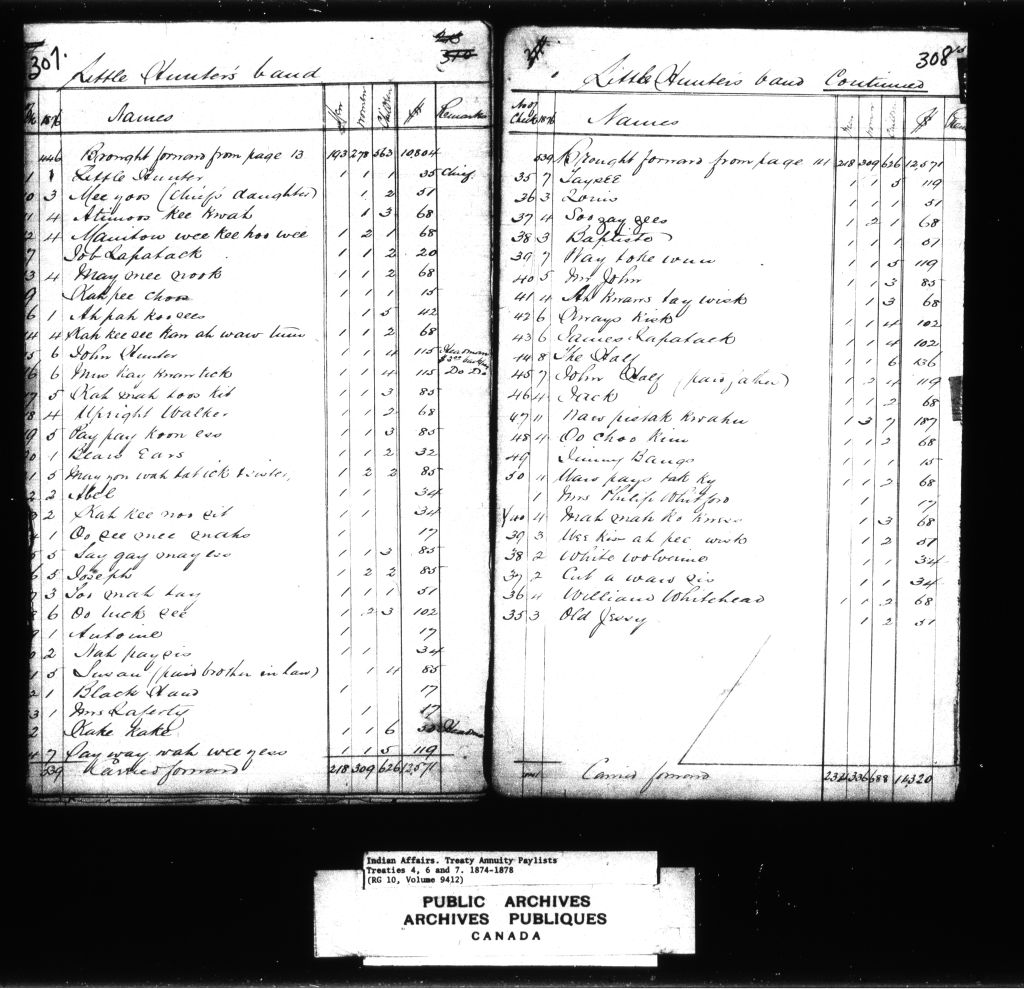
1876 treaty paylist

My family always tells the story of when the treaty was signed at Saddle Lake. They say it was at the corner where our family had property. They say the first signers were 7 brothers. They agreed to join the treaty. This is a paylist. I wonder, are these those 7 brothers? Were there sisters? What are the other stories?

History is interesting. Written or spoken, it tells the story of a time and place. It tells the story of what happens to people. We must remember to tell the stories.

Where I come from

I come from the land where trees surround me, and the sky is clear.

I come from the place where the lakes and rivers surround me.

I come from the land where my ancestors have walked before me.

I come from the place where my culture grew strong from time immemorial.

I come from the people of four directions, of medicines, of ceremony, of beauty, of loss, and of healing.

I come from the people who walked before me and for the people who will walk after me.

I come from the strength of spirit, and I continue to walk.

I come from here.