History

I am a survivor – yes, a survivor of history, a survivor of residential school. Though I did not attend, I was never the less there. I survived it. I was there, I was there before I was born.

This is not ancient history, a story, it is real and it is my history.

I survived the hurt, the anger, the fear – the tears – the sorrow – the betrayal of trust. A child’s trust, the loss of that innocence.

I survived. I survived the wicked behaviour called “discipline”. I survived the shame, humiliation, self-hatred and the loss. “You are nothing, you dirty Indian”

I survived the losses.
The loss of language, culture, history and pride.
THE LOSS, THE LOSS, THE LOSS!!!
The loss of safety, security, and the loss of family, for generations.

How can this be? How did I survive, you ask???

I did, I survived….
I am a survivor of my fathers pain and my Mosom’s shame. I am a survivor of the betrayal, two generations of “education”.

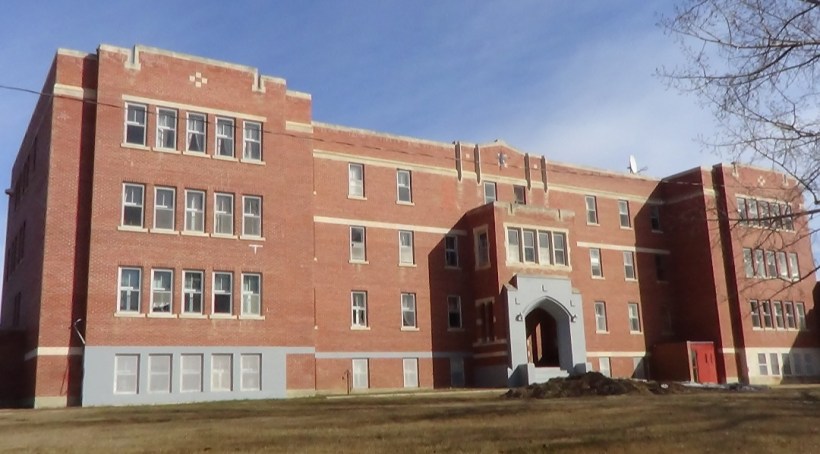
Yes, I did not go to residential school but my family did. My family was sentenced there. The terms were carried out over several generations, sentencing that carried a legacy, holding us, stealing life from us, slowing us, paining us.

It taught my family not just reading and writing. It taught shame, self-hatred and created the need to forget.
It taught my Mosom Self-loathing, it raised him up in foreign ways. It told him “remember your place” “say your prayers, you’ll go to hell” and it created shame, shame, shame.
It taught my father to forget. The only direction to turn – ANYTHING to help you forget. But it was not gone. It never leaves, it was ALWAYS there. It is always there.

It is there in the fear and the tears and the sorrow. It is there in the behaviours, the promises and the inter-generational sorrow. The trauma that still holds.

Yet I have survived. I walked into that building, feeling the fear, struggling to make myself go inside. I cried. I cried for those children who never left, whether that was through experience or death. I cried so that I could be free. I survived.

I will not let the former shame claim another generation. “I will be okay, we are okay” “TAPWE” this generation grows strong because I survived. My father and my Mosom lived and I am here in spite of the fear. I am a survivor of residential schools.

Kewaytinok

The going home snow, kewaytinok

Tell me about the going home snow, kewaytinok

The last snow before spring. One last moment to remind you to take a breath in the stillness of winter.

Tell me how the geese have returned and the birds sing. Kewaytinok

Tell me about life renewed.

Tell me about the going home snow and what it means.

Kewaytinok

Etikwe, I suppose

Etikwe, I suppose. I’m not sure why this word popped into my mind, I suppose there are lots of reasons for it.

I think about how many different times I’ve heard this word in my life. Etikwe, I suppose it’s a lot.

Etikwe, it means I suppose or maybe just suppose. Awina etikwe, I don’t know who or maybe I wonder who depending on the context. I suppose I should talk pîskiskwêw to my dad about it.

I suppose I’m supposed to use it more. I guess I need to use the words in Cree as they pop into my mind.

Etikwe it is to remind me that there are words that I know and that I need to learn more.

So that I can pê-pîkiskwêw
Ekosi, that’s all my thoughts for now, etikwe

Nista Mina

I wish I could speak my language. I know words but not conversations. I hear words I recognize but cannot understand. Some words come to me.

Pikiskwe – speak

Astum ota – come here

Awas – go away

Mitsoh – eat

I know words and sometimes I hear answers in my mind…

Tansi -namoyananto ekwa kiya

…but my mind says “I’m fine, how about you?”

Someone gives me something, my mind says ay-aye but I answer in English and say thank-you.

Kekeway oma? What is this?

I have lost my words. I have lost my conversations and now only in my mind I speak.

Silence

Silence,

It is deafening in its stillness and quiet

Kista?

Awina?

Neya.

I am silent.

I am mute.

What do I say?

These words are lost to me.
These words I should know.
Tapwe.

I should be able to speak but I am silenced.

The nuns and the priests they took away the language.

I heard it in my youth.

My father’s first language. He learned not to speak and to remain silent.

It is spoken to others, who also spoke…those not totally mute, not totally silenced but still they did not speak it to me. I am silenced.

Sometimes words want to come, not lots of words only some. Then fear takes hold and they go away.

I do not know enough language to get by.
I know a few words but still fear gets in the way so I remain mute.

Silenced.

The silence is deafening in its stillness and quiet.

Thanks to that school I am silent. I am mute.

Medicine Gifts 

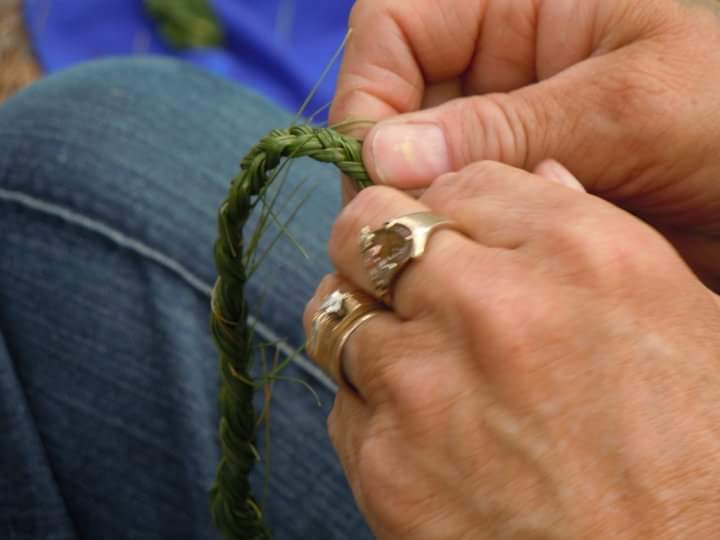
One summer several years ago when we were camping at mile seven. My Aunt, my fathers first cousin, Alsena met us there. We had been camping for several days when Auntie Alsena joined us. One afternoon we spent picking medicines and ĺearning about the plants that we were picking when Alsena told us that her friend Diane was going to meet up with us. She had camped there with us before. When Dianne showed up she had brought sage and sweet grass with her. We learned about creating sage bundles and sweetgrass braids. Once we finished making the braids and bundles we took them and hung them up to dry in the breeze off the lake. 

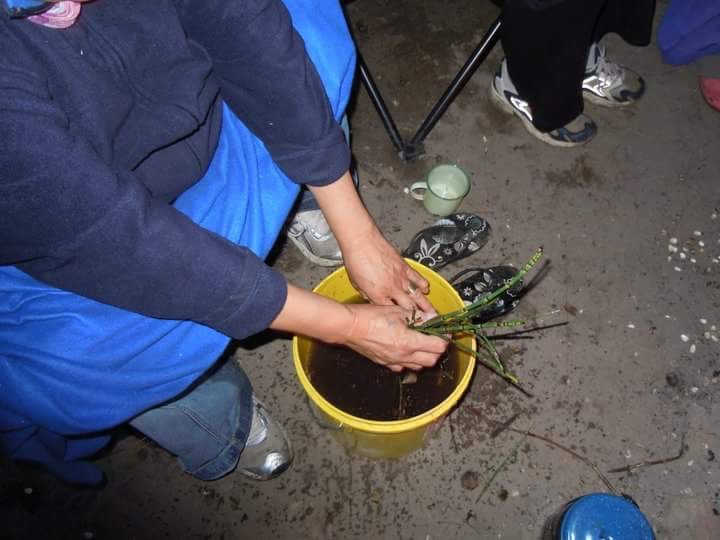
Then we began to clean the roots and prep the medicines. As we were cleaning the medicines Dianne and Alsena were telling stories of the medicines and how we got them. 

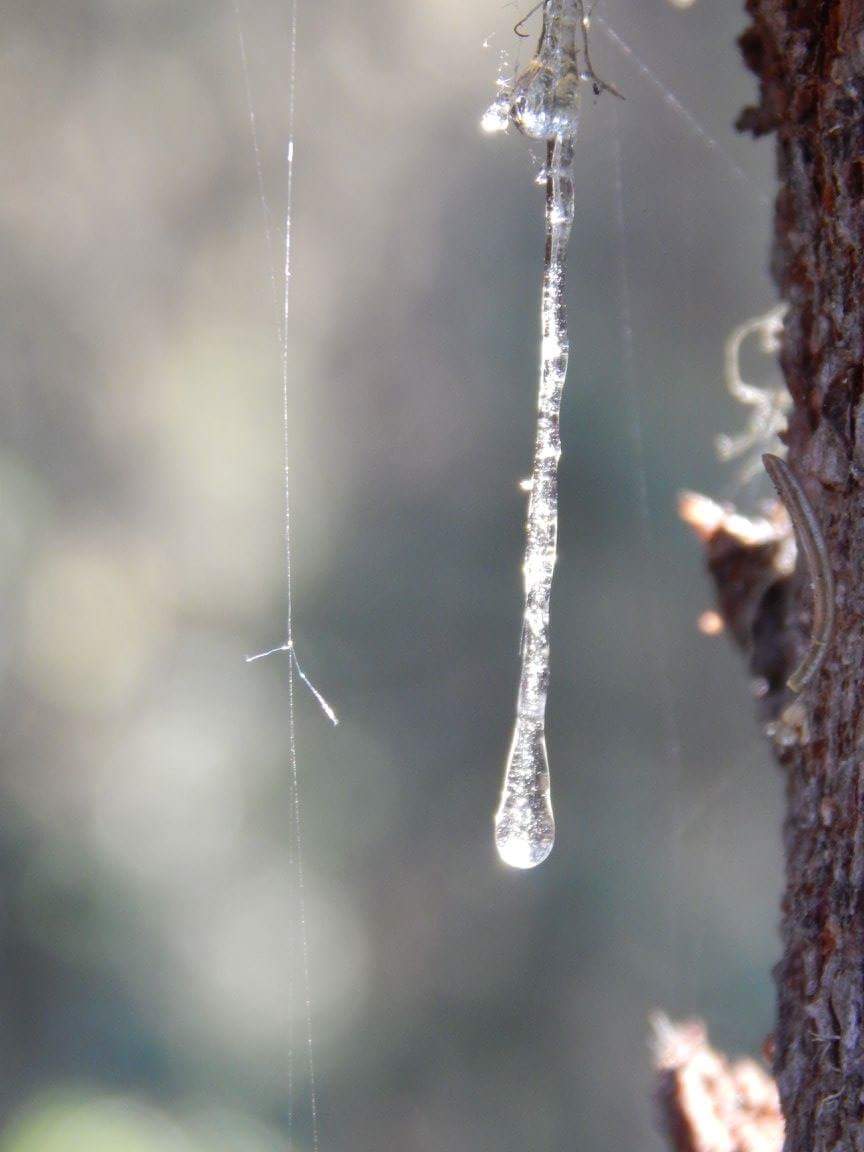
One of the medicines was spruce gum. This medicine, spruce gum, was/is used as an antiseptic. It helped to hold skin together when someone was injured. It was/is used to treat colds and is added to other medicines depending on the need.  The story we were told was about the gift of spruce gum and how badger gave it to us. The badger told the people how to use it for medicine and food. Alsena said that one man was lost in the bush for two weeks in the winter and he ate spruce gum to help sustain his body. 

There are so many plants that can help people with their health, it’s important that we keep this knowledge strong and that we spend time with those who know how to treat people.