There’s something about painting a black and white photo into colour. Trying to choose colours that won’t seem ridiculous in the context of the painting. It’s a challenge but was enjoyable. I like the end result.
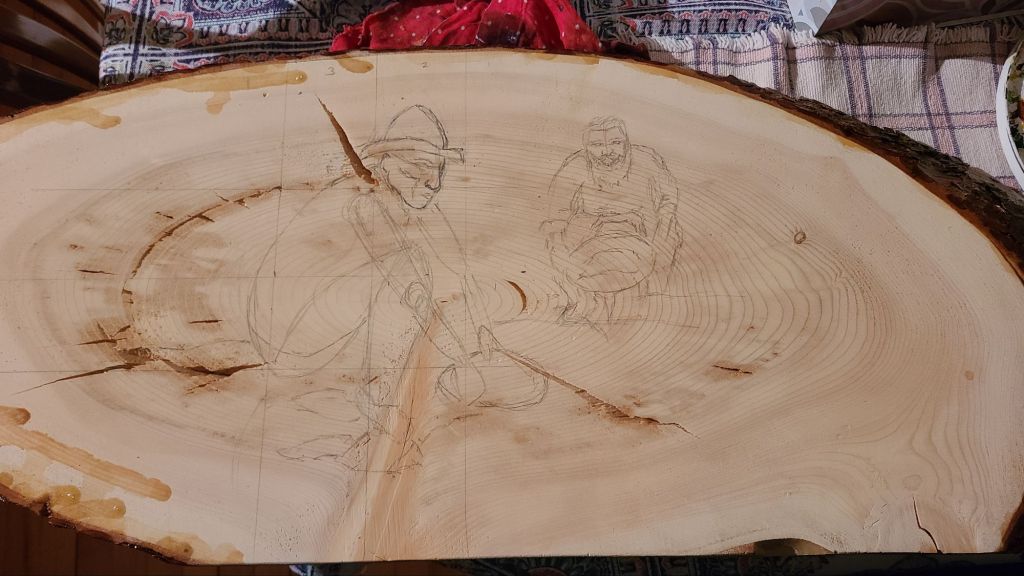

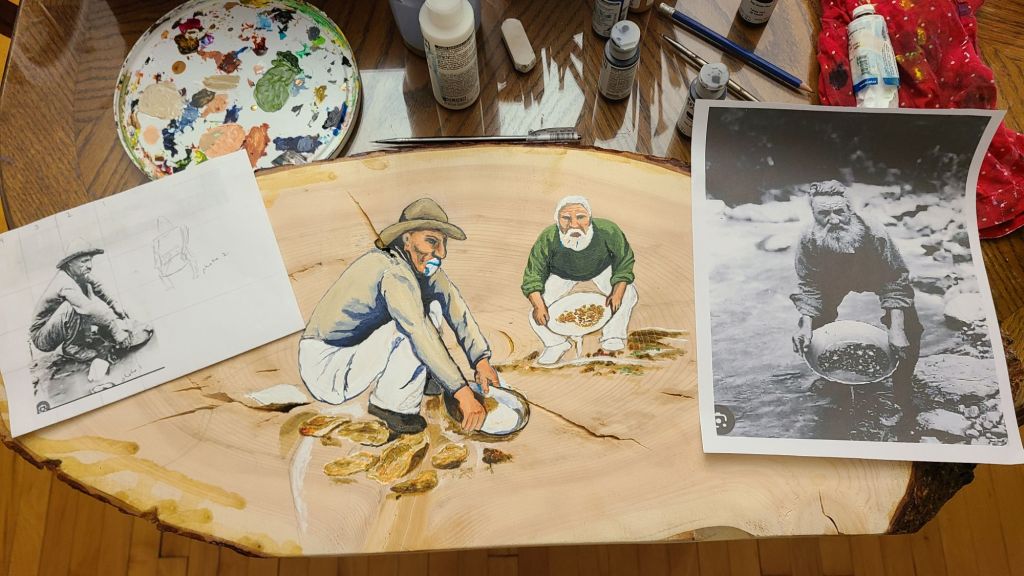
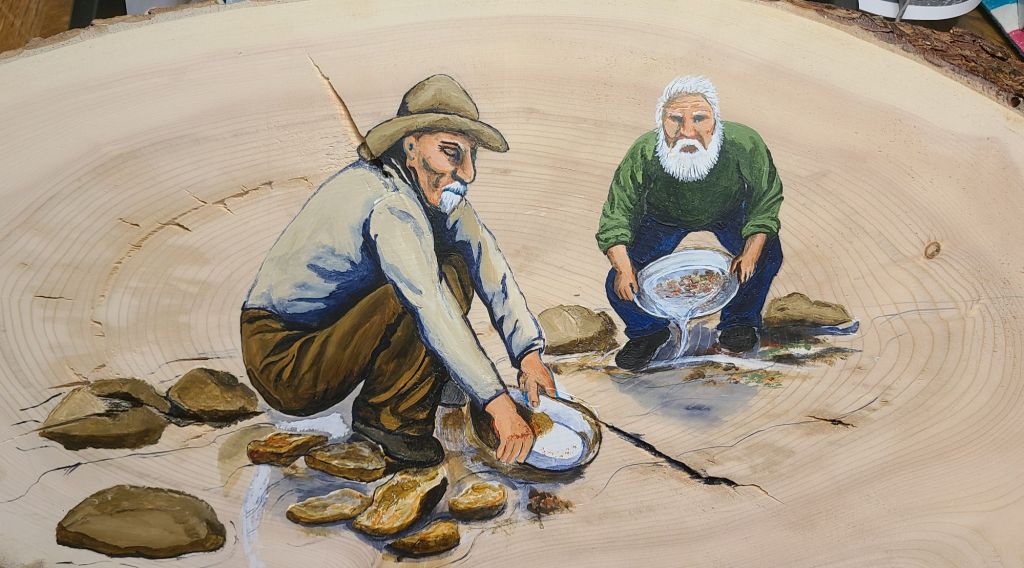
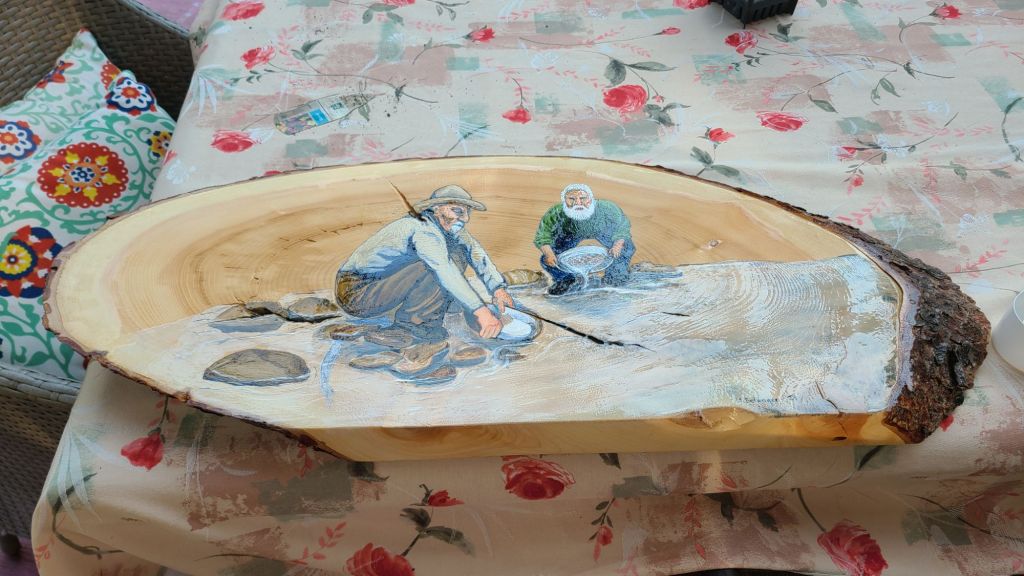
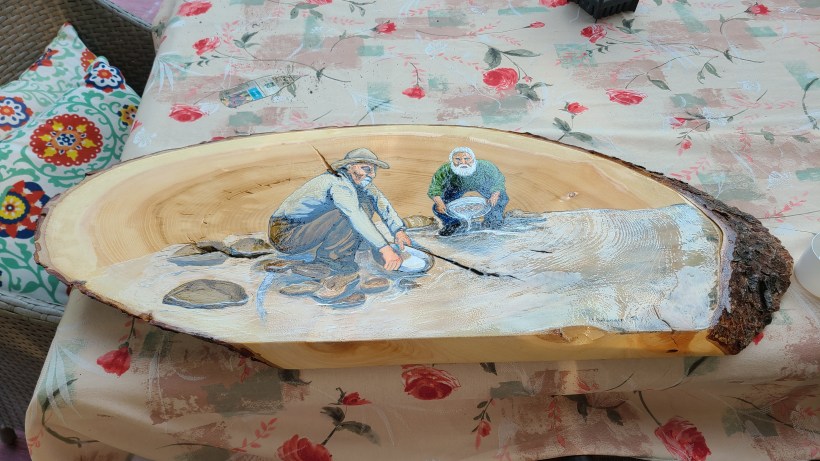
There’s something about painting a black and white photo into colour. Trying to choose colours that won’t seem ridiculous in the context of the painting. It’s a challenge but was enjoyable. I like the end result.
I’ve been told about my family’s history and told I should remember it, so I do. This is how we start.
In the beginning… we were here, we were here from time immemorial, from before colonization, before Canada and before the treaties. We come from people who were autonomous and independent. We had our own creation story, our own history, our own math and science. We hand our own medicines and medical practices. We educated ourselves. We took care of ourselves. We knew our history, our laws, and practiced our culture freely. As time continued we experienced changes and made contact with new cultures and new ideas. We considered ourselves equal to these people. They did not consider us their equal and sought to exploit us.
We found the changes that were occurring were faster than we expected, and we were asked to enter into agreements to share the land. So we entered into ceremony, prayed, and asked for guidance towards this end. In 1876, we were guided and therefore agreed to enter into a sacred treaty. This was done to benefit the people. We thought that because we we had entered into an agreement through Sacred Ceremony, that they would honour the sacredness and truth of the treaty. We thought they would follow through on their word to help us.
We did not agree to give up our independence, nor did we agree to give up who we were, our laws, our traditions, and our ways of being. We did not think they would continue to steal from us, not only taking all the land we agreed to share but also eventually our children. We did not think we would lose our autonomy, nor did we think we would be forced to give up our culture, language, and traditions to fit into another nations society. Their society.
So our family history is always told with the prefaced context of what happens next. This is the story of our family and its journey to now. It’s about how history has impacted us as best as I can tell. It’s about our relatives and who we come from. It’s the story of us.
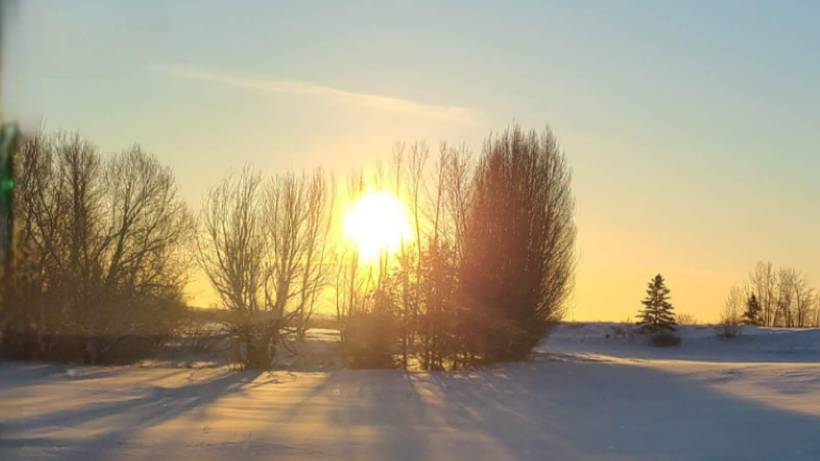
I once attended a conference day, where I worked. The organizers invited a woman, a holocaust survivor, to come and speak. She spoke of the legacies we leave behind. She expressed the wish to honour the legacies her parents gave her. With this consideration, I wish to do the same. Her parents did not know what legacies they gifted her. I wish to acknowledge the gifts that I have received from my parents just as this woman had legacies from both her mother and her father
I believe the greatest legacy I have received from my mother is the gift of love. Not just regular love but deep abiding and unconditional love. She taught me no matter how someone behaves or speaks; you must always treat that person with love because you do not know the pain the individual carries with him or her.
My mother always approaches everyone with the love of a family member. Even when someone mistreated her, was cruel or unkind, my mother still held a place of love and respect in her heart for that person. This was the way that my mother taught me to forgive. My mother has always said forgiveness is not about the person you are forgiving. It is about releasing you from the bond of that other person. She taught me that if I did not forgive whatever it was that happened to me; I would become an angry and resentful person. She told me that if I became unforgiving, then the person who harmed me would win, and I would always give up my personal freedom to that person. In essence, I would be controlled by that person and the hate and anger I may feel towards them.
My mother taught me quiet strength. She did this through her deep abiding faith. Whenever there was a crisis in our lives, whenever things seemed crazy and out of control, my mother would calm us down and pray. She would tell us God is always with us, even in the bad times. My mother’s absolute belief that we are not alone in this world has carried through in all that I do. I live my life in constant prayer. I talk to God at all times. Some people would think it’s crazy to pray about knowing the right thing to say or to feel a sense of peace, but this is one of the lessons my mum taught me. Pray often, and do not be afraid to talk to God.
My mother exemplified kindness, always willing to share whatever she had, always willing to look out for her fellow human being. My mother did not shirk away from people that might make others uncomfortable. She believes in the power of respect, kindness and most of all love. My mum loves all of her nieces and nephews equally and is always so happy to see them. She loves her family in England endlessly and carries that love equally strongly for her family in Canada. To my mum, family is everything. It is family who carries you into this world when you are little. They are the ones who give you strength when you are sick. Family is who continues and remembers you after you are gone. Even when your family struggles with life problems, it is your family that you turn to for help when you are struggling along the way.
My father has given me a different legacy than that of my mother. He has taught me the value of never giving up. He teaches me endurance through adversity, and most of all, he has taught me that you can overcome all that you struggle with. These are the lessons I choose to learn from him. These are lessons we learned from him as adults. The lessons we learned as children were different, as he was so wounded by his past.
My father carried a lot of pain inside of himself. It caused him to fear, distrust, and carry anger for many years. Sometimes, those feelings still jump up and trigger him to act in ways he would rather not. He once told me “Carrying pain is a terrible thing.” He said “When you continue to carry it, it can eat you up inside and destroy your life.” He said, “Shame also builds within you and is what silences you.” He told me, “It is only in letting go and forgiving that you can be free.” He said, “If you continue to try to cover it up and not face your experiences, you hide from your truth. When you hide from your truth, then you don’t see how your choices are impacting others.” He taught me it is alright to say you’re sorry and to admit when something you have done has hurt those that you love the most.
My dad also taught me bravery. He taught me this by continuing to try to quit drinking and by finally succeeding in his sobriety. He also taught this to my brother and I when he invited us to sit and bare witness his story of what happened to him at residential school. As I listened to his story and heard of his traumas and watched him get triggered by memories of things that happened, not only at the residential school but along the way in his life, I saw him in a different way. I saw the child in him that was hurt. I saw what it took for him to tell us ‘this is what happened to me’. I understood more about my father in that moment than I had ever before.
My father was also a contradiction. His life experiences caused him to repress who he was. It caused him to deny his heritage and to be angry with many things. He would not speak his first language, nor would he practice any traditions. He was not able to allow this part of himself to exist, so great was his shame of his own identity. A lot of things cause him pain even still. It causes him hurt when people don’t believe we are his children because we don’t look the way we are supposed to, and that makes me sad. Yet he talks about us with pride and speaks of our accomplishments because they are an extension of his own. I am glad he is proud of us, of my kids, and the legacies I am trying to pass on. In learning how to deal with all those previously repressed feelings, my dad had to relearn care, compassion, understanding, and kindness. He had to accept himself, his past, and his future. This is where my parents taught me that no matter what; the people you love, love you too.
There is also a history I carry with me. It is the history of the Cree/ Nehiyawak people. It is the oppression and colonisation and the stories passed on in our family. I carry this legacy of hate with me. This is not by my choice; this is the legacy of racism. It is in the history of Canada. It is difficult for people to acknowledge that it exists. It is based on a fear that perhaps they have behaved in a racist manner. Racism, it is not really gone. It is subtle. It is in the way people talk about “others”. I see it in the way people respond to different aspects of myself. I see it when people tell me “well you don’t look that Native” like that’s a good thing or “Wow your dad is really native” or “That’s your real dad?” I also see it when my people tell me “You look so Moniyawak but I knew you couldn’t be because I heard you speak” or “I knew, because you said you were from Saddle Lake.” These statements strip from me the self I believe I am and place me always into the category of other. I never truly belong to one group of the other. I feel the pain of it in my heart when I hear people speak with such disdain about things that they do not understand.
When people speak with authority about “ancient history,” they fool themselves into believing there is not a problem that exists. There is no reconciliation in this. We live in a world that allows hate to fester and grow: where it’s okay to say, “They should just move forward because it’s better for them to let it go.” Sometimes I am told, “Jeeze, they should just get over it.” No one would say that to a holocaust survivor or a survivor of genocide such as what happened in Rwanda or in Cambodia. It’s just not “polite”. No one would tell the child witness of a murder, “Just get over it” or “It didn’t matter” to the child witness of assault, to children who experienced violent persecution, physical, sexual or emotional abuse and assaults. No, we say that as a society, we would empathise, provide understanding, and treat them with care and love. Yet this is not what really happens. If we are real and honest with ourselves, the reason we say, “it happened a long time ago”, “it wasn’t us who did that” or “I am not responsible for that” is because it is too painful for people to acknowledge the impact of our behaviour on others. This is the legacy I carry with me when I sit and bite my tongue because I don’t want to offend anyone with the truth I carry in me. An example is when people tell me racism doesn’t exist anymore, and I think back to my first real experience with that as a child with my father in St. Paul and being harassed by an RCMP. I think back to walking with my cousins, down the road in Saddle Lake to get candy as a way to have a break from a funeral we were at and having a vehicle drive past us and these young boys scream obscenities at us, calling us names. I think about how people have treated my family members with suspicion and scorn for no other reason than for how they look. I wonder how anyone can pretend that behaving like that is normal. It seems society believes that because “they” are different from us, it’s alright to be ambivalent to the way children were so cruelly treated.
If I can provide my children with the legacies my parents have provided me, then that is half the battle. I try to give my children, my nieces, and nephews a new perspective. I try to help them treat those people with unconditional love, kindness, and respect. I strive to be forgiving and brave and to carry the truth with me. Yet I am only human. I make mistakes. I get angry and feel hurt. Since I am human, I can learn. I can learn and speak to the truth because it is how I gain freedom. I am reminded once again of what that lady said to us. She said “This is not about all the terrible things that happened in my life. It is about learning to forgive and to teach people how to love one another.” If I can leave that kind of legacy to my children and those people who cross my path in life, then I will know I have lived a good life.
Cancer is a scary experience. It will always sit with me. It’s changed how I am and how I approach things. It’s changed my body. It’s changed my mindset. It’s hard to keep up with it all. It’s also difficult to not be afraid that it will return. How does one leave behind the fear and anxiety of the possibility of death and the return of cancer.
When you get a diagnosis of cancer, it’s like getting kicked. You don’t really expect it even if you see the foot swinging. You anticipate the treatments. You wonder how all of it is going to affect you. You wonder about side effects and the future feels distant. Some people scream “fuck cancer” others become silent and still. Both ways of dealing with it have benefits and drawbacks.
Then if you are lucky enough to be told “you’re in remission” you are left with the question of now what. You’ve been so invested in fighting for your life that you now have to move forward and change that perspective.
Over the years I’ve had many conversations with friends about letting things go and living in the present. We have all shared advice with each other. There has been much wisdom shared, this is just some of it.
1. No matter what you do life changes, it brings change. You can either embrace it or run from it. Running doesn’t stop the change. It still happens, it’s better to figure out how to deal with it then let it happen to you.
2. If it’s not yours it’s not going to change.
3. The past is past, you had that experience. It taught you something, take the teaching and move forward.
4. You might be powerless in what happened, but you have power over how you react. Choose wisely.
So now that I sit here again with a recurrence of my cancer, I am again asking myself what now. I move forward, and I hope for a different future grateful for knowing more of what to expect and grateful for those people in my life who walk with me.
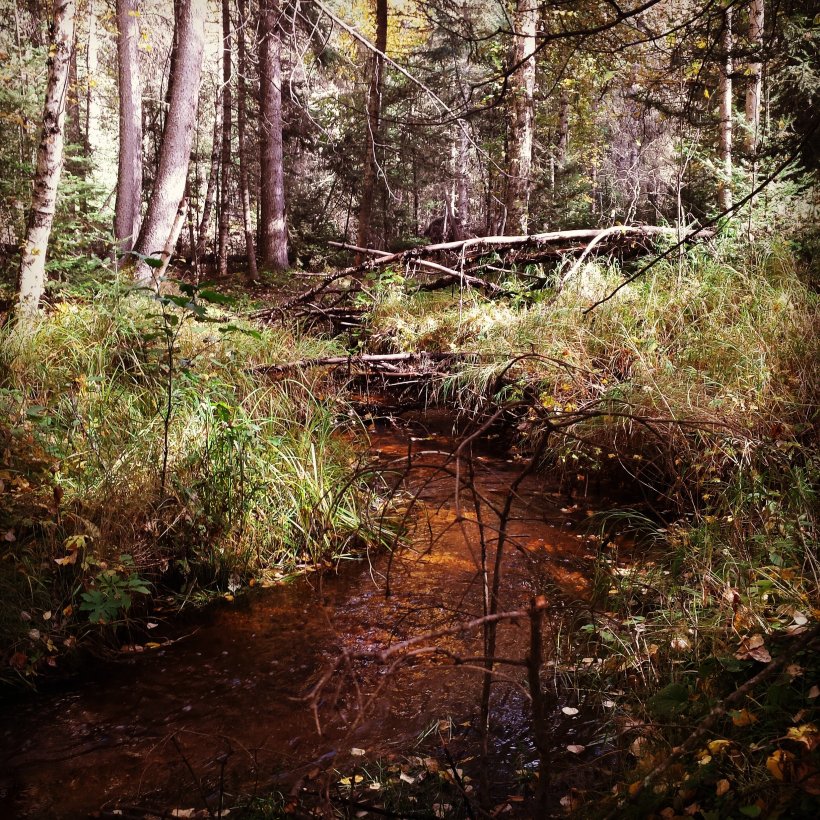
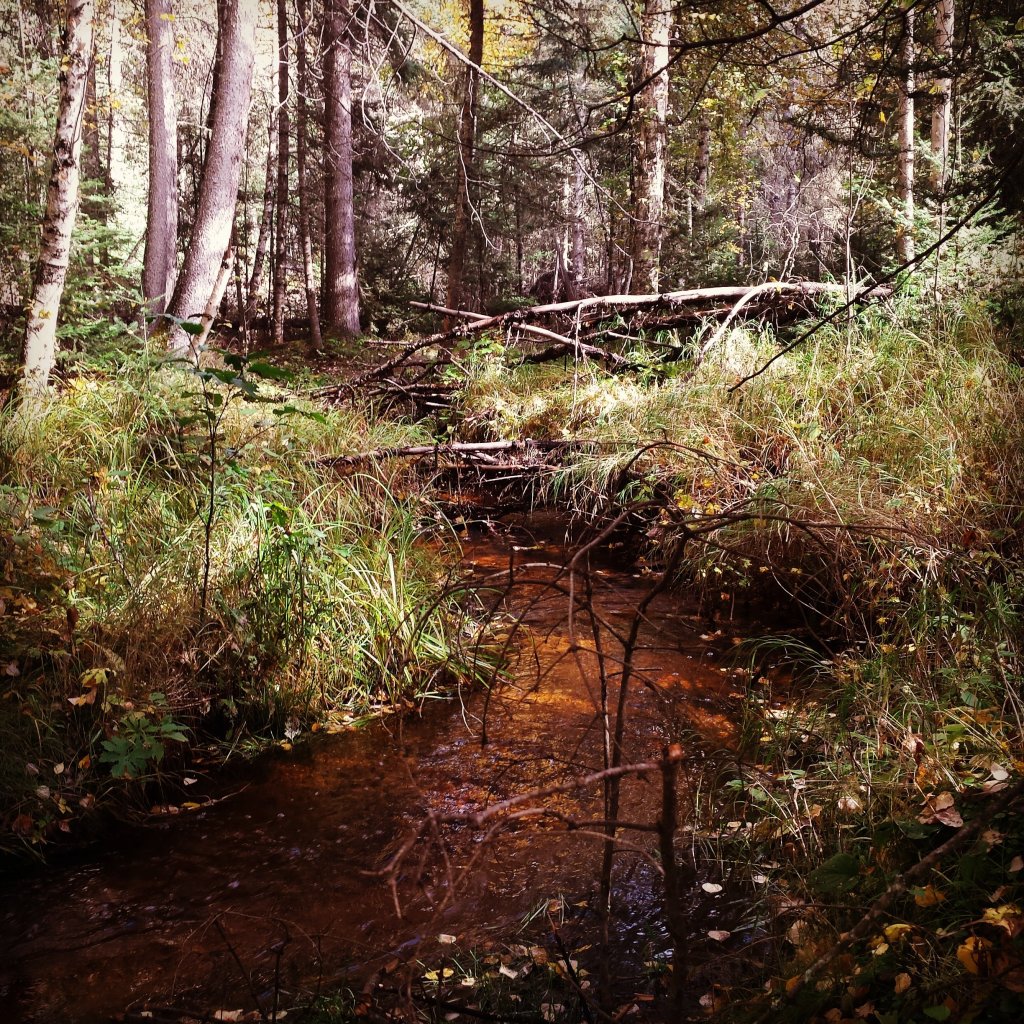
Medicine has been gifted to people. Every culture has its own understandings of medicine and what that means. Medicine is learned, it is taught, it is lived. In Nehiyawak culture medicine can be plants, it can be ceremony, it can be spending time in nature or with others. The word medicine has many different meanings. In this way there are many different ways to seek healing. Medicine is what makes you better.
One summer several years ago we went camping at mile seven. My Aunt Alsena, my father’s first cousin, met us there. Our purpose in going there’s was to pick medicines, there are several different kinds in that area.
We had spent the afternoon picking medicines and auntie Alsena told us that her friend Diane was going to meet up with us. She had camped there with us before. When Dianne showed up she had brought sage and sweet grass with her.
We learned about creating sage bundles and sweetgrass braids. Once we finished making the braids and bundles we took them and hung them up to dry in the breeze off the lake.
Then we began to clean the roots and preparing the medicines. As we were cleaning the medicines, Dianne and auntie Alsena were telling stories of the medicines and how we got them. We learned how the medicinal plants were used and why we are so connected to the land. This connection itself is a form of medicine. Just being out on the land brings healing in various ways.
One of the medicines we learned about was spruce gum. This spruce gum is used as an antiseptic. It fights infection. It helps to hold skin together when someone is injured. It is used to treat colds and is added to other medicines. It can be used for food too.
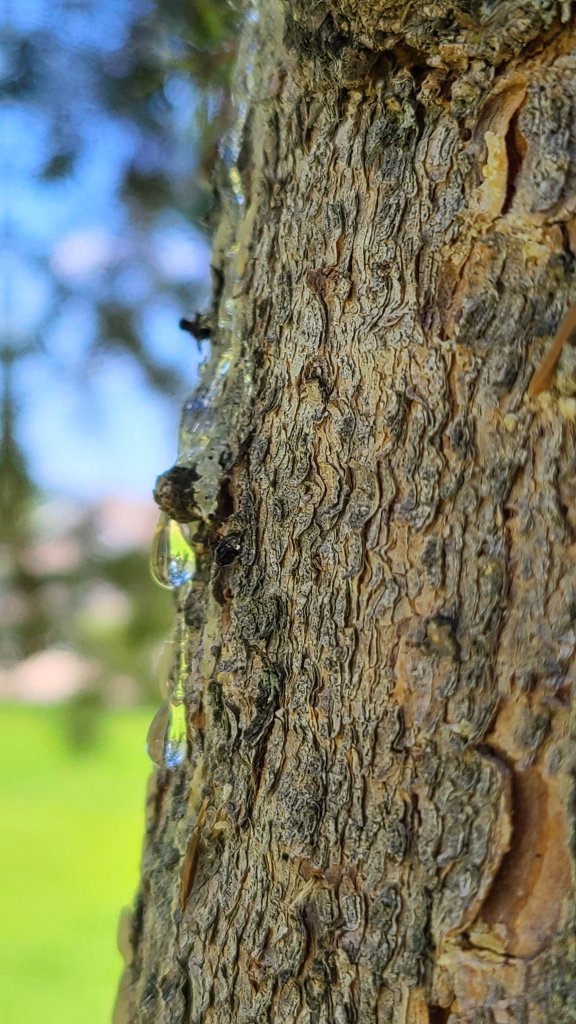
We were told the story of the gift of spruce gum and how badger gave it to us. Badgers are fierce and dangerous animals. A long time ago they were very big, much larger than they are now. They were bigger than people, and they used to kill and hurt people. The people prayed to the Creator for help, because we are weak and we need help to survive. The Creator told badger to stop harming people. That did not happen. Eventually the Creator had to do something about badger. The people had chased two baby badgers up a tree. Creator told them that because badger had not respected the request to live peacefully they would be changed. They would no longer be bigger than the people, they would remain the size of their babies. They would provide help to the people through the warmth of their fur, etc. The baby badgers were grateful that the Creator allowed them to live and they promised to help the people. When they slid down the spruce tree their claws cut open the bark and the tree sap came out. The badgers told the people that this was their medicine that they were sharing it with the people as a way to make amends. They taught the people what its used for and how to use it. There are stories for all medicines. Storytelling helps you to remember the medicines and how and why they are used.
Auntie Alsena also told us about a man was lost in the bush for two weeks in the winter. His snowmobile ran out of gas and he tried to hike out of the bush. He got lost and ran out of food and water. To survive he ate spruce gum and drank melted snow to help sustain his body. He survived and was rescued. She told us all that spruce gum is full of vitamin c and will help us if we need it.
All of these activities were each a form of medicine. Each thing gave us something different to heal us. It balanced our spirits through the camping and story telling. It taught us ways to help ourselves in a crisis. We learned the medicinal properties and usage of plants. We laughed and found purpose in what we did. We built connections and created memories that will last a lifetime. All this is good medicine.

Etikwe, I suppose. I’m not sure why this word popped into my mind, I suppose there are lots of reasons for it.
I think about how many different times I’ve heard this word in my life. Etikwe, I suppose it’s a lot.
Etikwe, it means I suppose or maybe just suppose. Awina etikwe, I don’t know who or maybe I wonder who depending on the context. I suppose I should talk pîskiskwêw to my dad about it.
I suppose I’m supposed to use it more. I guess I need to use the words in Cree as they pop into my mind.
Etikwe it is to remind me that there are words that I know and that I need to learn more.
So that I can pê-pîkiskwêw
Ekosi, that’s all my thoughts for now, etikwe

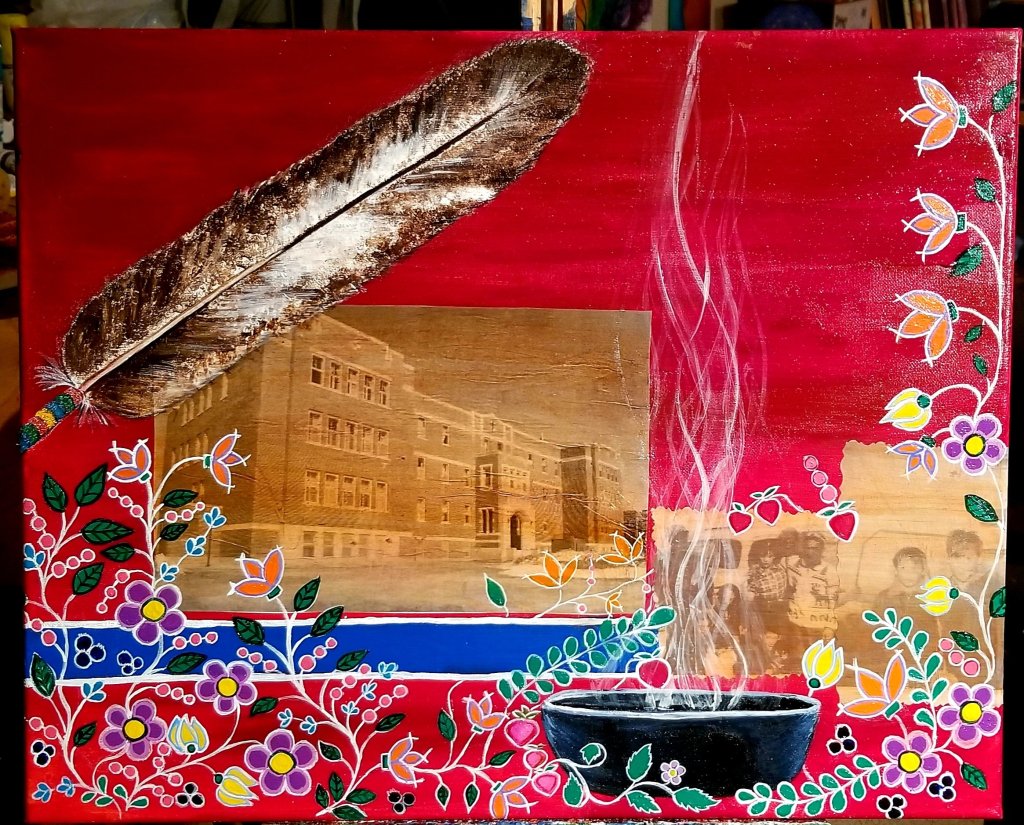
I paint as an expression of what I feel that I cannot always explain with words. Sometimes these paintings come to me very clearly as this one did. I had been thinking about how much my family has been impacted by residential schools, how colonization has affected us and how these things are passed on generationally.
This painting represents how imposing blue quills has been on my family. There is a lot of intergenerational trauma because of it. We had multiple generations of family members attend this s hool.
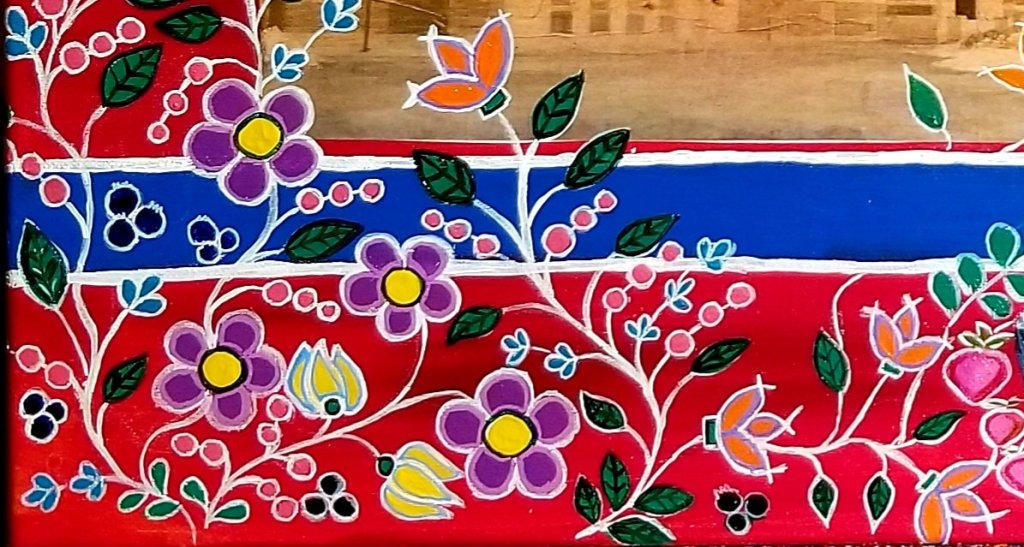
Flowers represent medicines to me. The flowers are growing over the photos and bringing healing and change. Medicine comes in many forms.
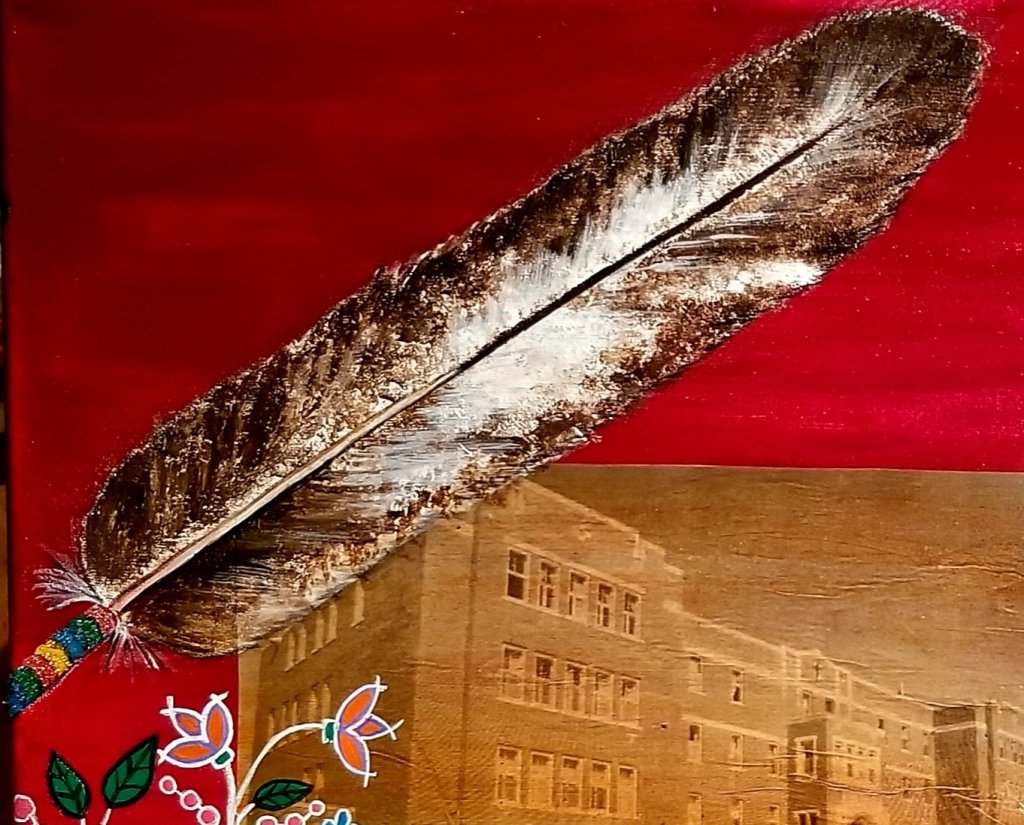
The photo of blue quills is large because it had a huge impact. It’s not covered because it will never go away.
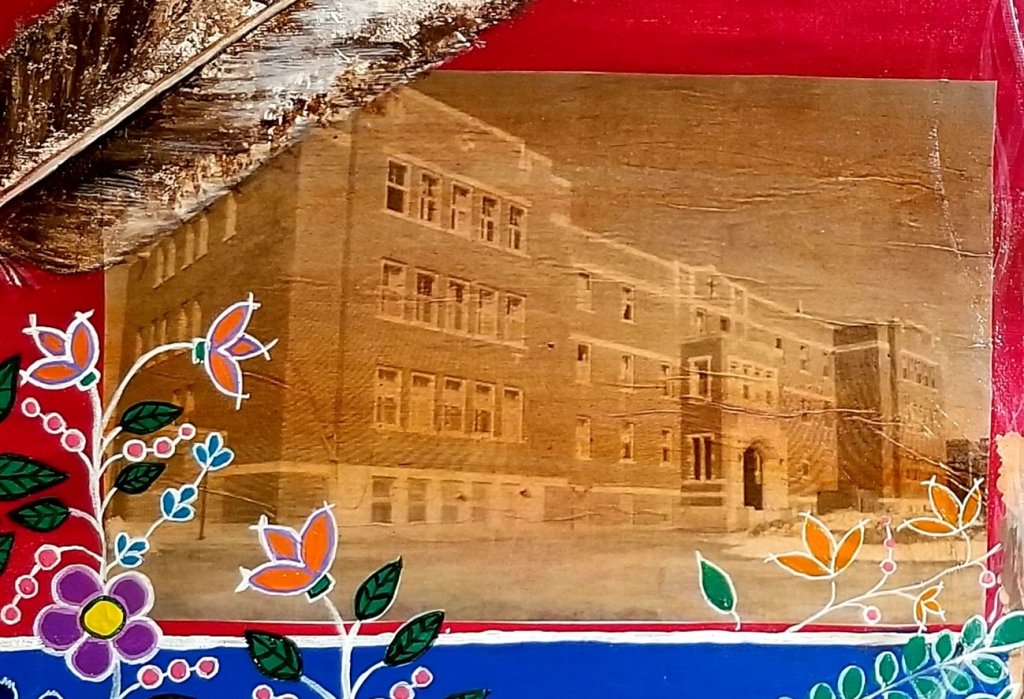
The smudge and eagle feather are clearing away the pain through reconnection to culture. Culture is medicine.
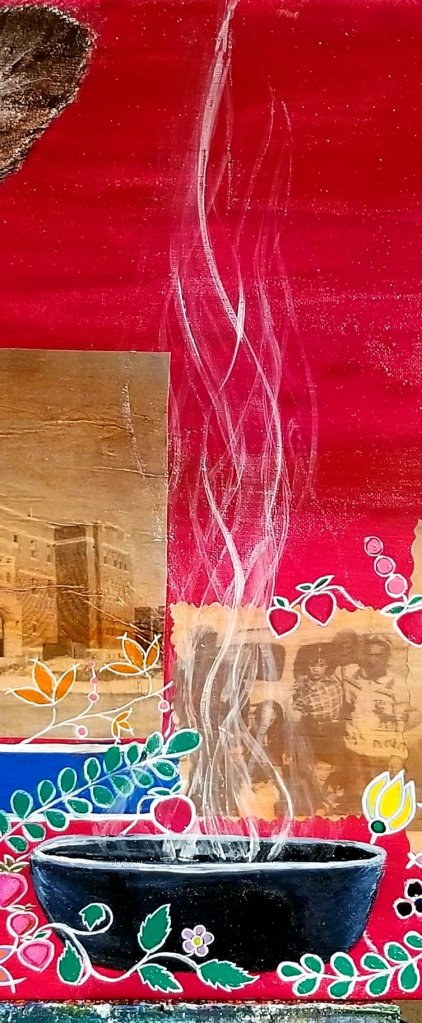
Each one of the flowers represents someone in my family. The purple ones are my dad and his siblings. The yellow ones represent myself and my siblings that’s why there are 5 of them. The orange ones are my parents grandchildren. The pink dots represent all of my cousins. The berries represent change and new growth. The sage also represents growth through healing. There are two photos of my family members as youth when they would’ve been in Blue Quills Indian Residential school
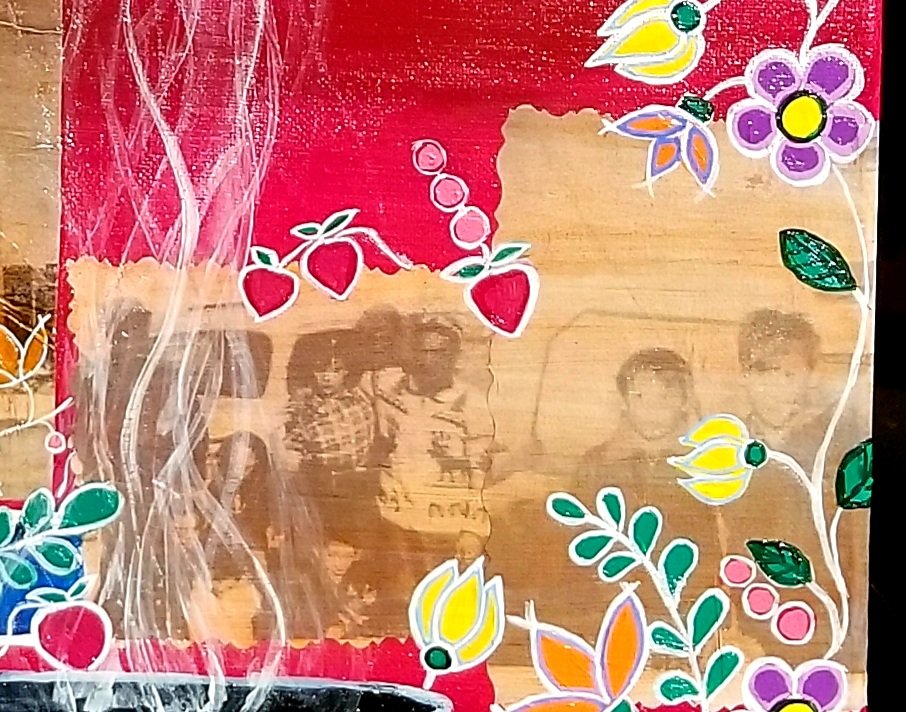
The background colours are there because of how this painting came me. Red is understood to be connected to healing, it is also understood to be the only colour that spirits can see.
Overall the painting is like a prayer for healing, separating my family from the school and the impact it’s trauma created.
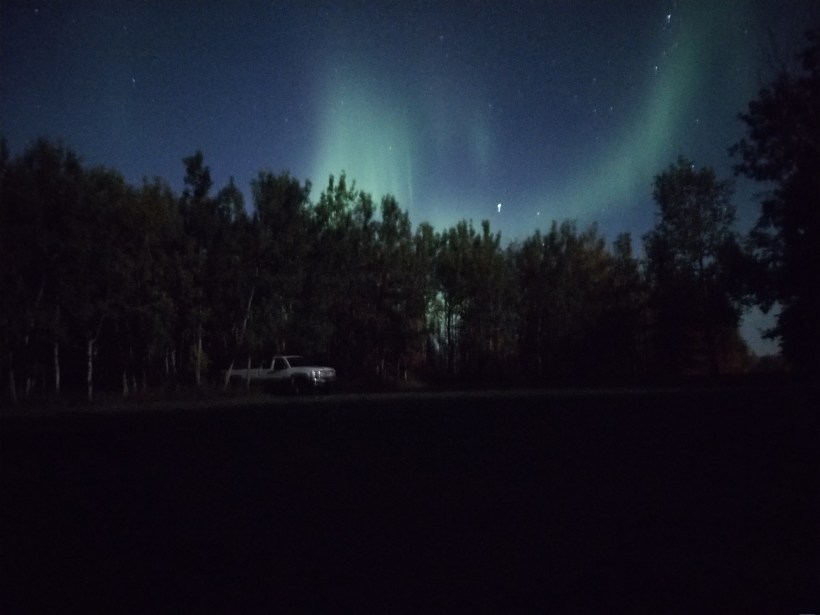
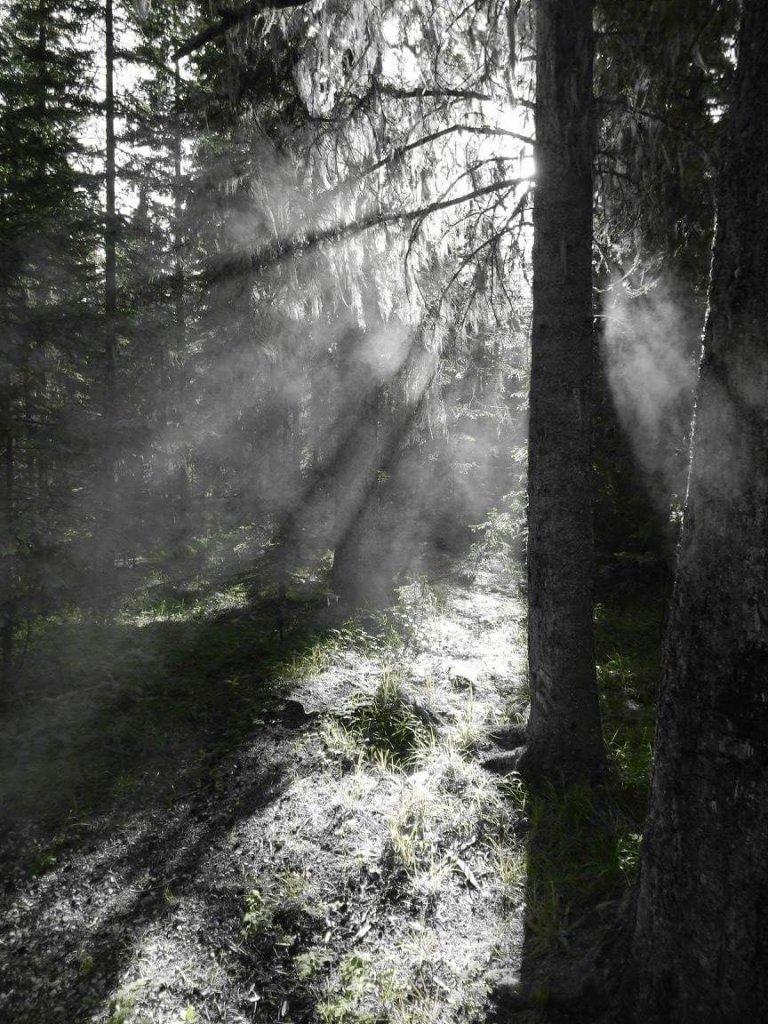
HOPE.
That little light far off in the distance.
HOPE.
The light in the night sky.
HOPE.
I need to move towards it. That’s my hope.
It’s very dark.
My hope is a beacon in this darkness. I move closer still. My hope is getting brighter.
The darkness still surrounds. Yet I still see that light.
It burns brighter and whispers “I am here”
Hope
I move closer, I’m trying to reach out, trying to grasp a hold of the light in the darkness.
I hope.
Hope tells me “you are not alone” – Hope says “I am here. “
Suddenly, I realize that the light isn’t far away. Suddenly, I realize that the light was always with me. I just didn’t know that the light was always shining within me.
HOPE
Hope shines and it radiates out. It is light. The darkness is diminished. Hope is bright and it radiates from me.
Hope is love. I grasp a hold of my hope.
HOPE
I never thought I would face cancer but at the same time I’m not entirely surprised either. My family has had quite a few people who have had cancer, some have won that battle, others have not.
It was a strange day to find out that I have ovarian cancer. I found out on April fools day. Part of me half expected the Dr to say just kidding but in reality I knew it was true. I was shocked to say the least and dismayed because it felt like a “now what” kind of situation.
I know that lots of people go through this and a lot of people get angry. I can’t say that I felt angry. I felt a lot of different things but not anger. Other people felt angry for me and maybe that’s why I didn’t get mad. I actually felt calm because now I knew what had been causing me so much pain for the past 2 months. I knew there would be appointments and tests and probably surgery. I had been through that with my mother a few years earlier. At this point the most difficult thing for me would be to tell my children. I know they’re adults but they are still my children and my natural instinct is to protect them from anything that would cause them pain, fear and upset. This I knew was not something I could prevent.
We had a lot of tears, feelings of devastation and worries about what next. Unfortunately I ended up with cancer in the middle of a pandemic. So we had to practice social distancing when all I wanted to do was hug my kids. I was suddenly at risk of so many things and left wondering what all this meant. Wondering what the lesson was in this experience and how long would it be before I could hug my children and comfort them.
Unfortunately when you get sick in a pandemic all the traditional things people do to help you through a rough time cannot happen. I couldn’t go and hug my parents and cry with them. I couldn’t hug my children to comfort them. I couldn’t see my brother, my sisters in law or any other family. I couldn’t visit my friends and feel like everything would be ok because everyone said so. I had to build my resolve by myself with my husband as my cheerleader. Yes I still talked to everyone and yes they still encouraged me, however things would’ve looked very different if there was no pandemic.
My first visit to the Cross Cancer Institute my husband was allowed to come with me. We found out that there would be surgery as soon as possible and everything moved so quickly. My head spun with all the information and it was difficult to keep it straight.
When it came time for surgery no one could come with me. I had to have my surgery on my own. Previously my family had been there before to comfort and help calm my worries. My husband could joke and help me feel less anxious. My family had been there when I woke up and helped to ask questions and listen to what I was being told. Not this time. I cried by myself waiting to go into surgery, I groggily awoke to a very nice nurse asking me all kinds of questions. It was strange. I was sent home as soon as possible to reduce risk of exposure.
The second time I went to the Cross to get my official diagnosis and hear the staging of my cancer my husband was not allowed to be with me. I sat listening to the doctor talk to me. She was very nice but I don’t remember anything that she said. Its a good thing that she gave me papers. I had high grade serous ovarian cancer and was at stage 3B. If she explained this to me I don’t remember. She did tell me that I would have 6 cycles of chemotherapy and that it would start as soon as possible.
My first chemotherapy was 4 weeks after my surgery. I struggled with how to prepare for this. What does one wear to chemotherapy? Yes that’s a dumb thought but really when you think of it, its a genuine question. Do you wear long sleeves or short? Do you wear something in case you feel hot? What if you are cold, what if you have to be there for a long time, how comfortably should I dress? What will happen, how long will it take, step by step what do they do to you in chemotherapy? Is it like the movies? What do you mean there’s different kinds?
When I read up on it there was so much information that I didn’t really know what to make of it. When I was scheduled for my chemo I went to chemo school the day before. I wish it had been a week before because I feel I would have been better prepared for the chemo or maybe not.
I had decided to wear a ribbon skirt to my chemo sessions. I had talked to my children and to several friends and family members. We talked about how traditional healing ceremonies have certain protocols and I decided to treat the chemo sessions like a ceremony. I would pray and go into chemo with a calm mind, with a feeling of love and acceptance. I committed to making a ribbon skirt for each one of the cycles.
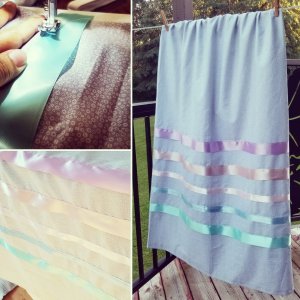
Then the first cycle of chemotherapy, my husband wasn’t allowed in with me, again the pandemic dictated how all this was playing out, for my own safety and the safety of others there. I really had a moment where I felt so alone. I felt scared and confused and I really didn’t know what was going on. I took a deep breath and I prayed again. I decided to listen to a song one of my uncles had recorded called the grandmother song. I had my eyes closed and was singing along in my mind when I realized that I did not feel alone anymore. I could feel my grandmother beside me. It made me feel better and I felt calm again.
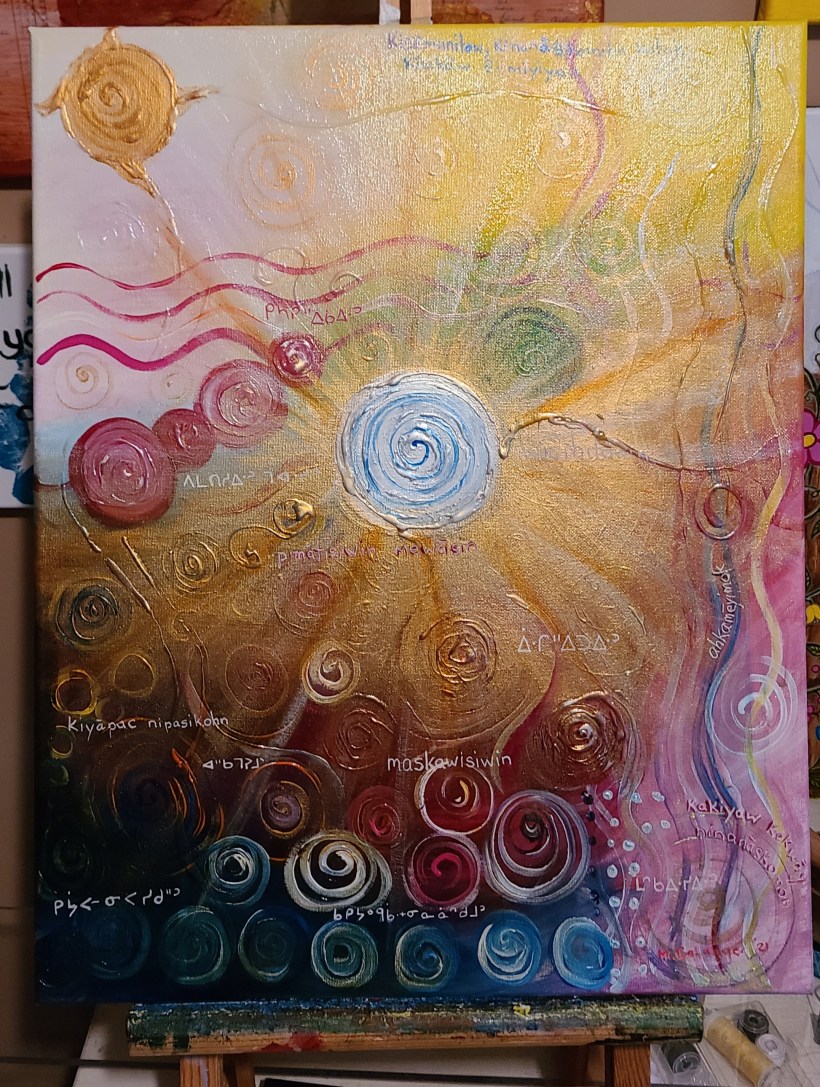
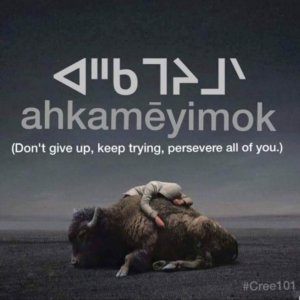
After the chemo was finished we drove the two and a half hours home. The after affects of chemo are NOT fun, but I got through it. Just as I got through all the rest of the chemotherapy cycles. I tried to carry the ideas of ahkameyimok and kiyam with me through each cycle and each experience. Ahkameyimok is the idea of to keep going and not giving up, at least that’s my understanding of it. It wasn’t always easy and a couple of times I had to wave a white flag because I felt totally done. My family and friends would encourage me and cheer me on. My husband would remind me each day is new and a bit bettering. My understanding of kiyam is the idea of letting things go that are not good for you and understanding that it’s going to be alright. For instance when you can’t control something you let go of that need to control it and allow yourself to know in the end it will be alright, that what’s meant to be will be.
I’m blessed to have some wonderful people in my life and I am so grateful to them. They listened when I was down, they encouraged me when I needed it, they helped me when I couldn’t do something, they prayed and went to ceremony for me. They are a gift in my life. They helped me through this unexpected battle and reminded me to have hope. I was stronger because of the people in my life. They all gave me hope and trust. They helped to live by ahkameyimok and kiyam.
Hope is a powerful ally, I had so much of it. I was continually encouraged and felt so much better because of my cheerleaders and encouragers. In all that has happened since April 1st; the diagnosis, surgery, 6 chemo cycles and of course the pandemic, I am still here. The cancer is in remission and I am continuing to walk this beautiful journey. I have hope and am at peace. Ahkameyimok
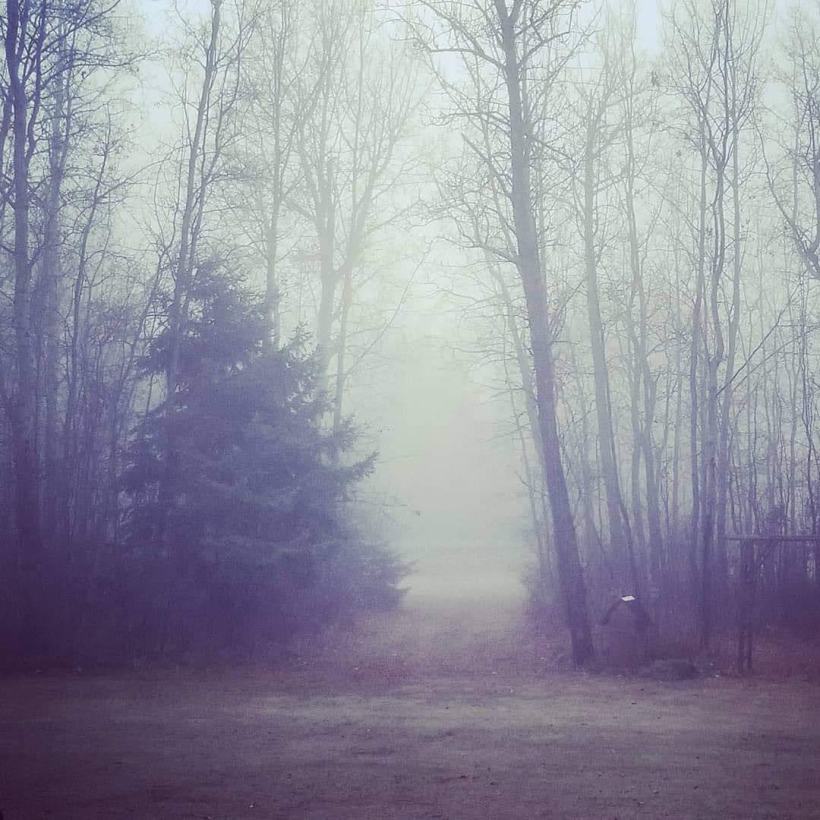
Silence,
It is deafening in its stillness and quiet
Kista?
Awina?
Neya.
I am silent.
I am mute.
What do I say?
These words are lost to me.
These words I should know.
Tapwe.
I should be able to speak but I am silenced.
The nuns and the priests they took away the language.
I heard it in my youth.
My father’s first language. He learned not to speak and to remain silent.
It is spoken to others, who also spoke…those not totally mute, not totally silenced but still they did not speak it to me. I am silenced.
Sometimes words want to come, not lots of words only some. Then fear takes hold and they go away.
I do not know enough language to get by.
I know a few words but still fear gets in the way so I remain mute.
Silenced.
The silence is deafening in its stillness and quiet.
Thanks to that school I am silent. I am mute.
 Sakaw Iskwew